Get Full Government Meeting Transcripts, Videos, & Alerts Forever!
Get email alerts on the Land Use Plan topic
No spam. Unsubscribe anytime.
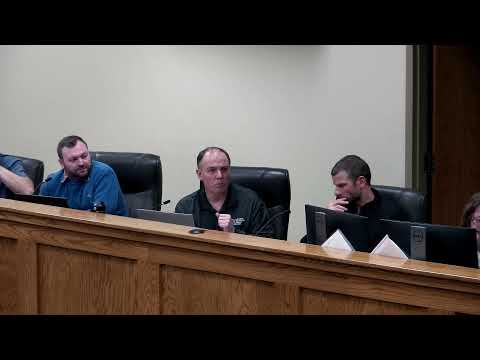
Kalispell holds work session on SB382 land‑use update, staff stresses outreach as residents raise concerns
Summary
City staff briefed the planning commission on the Kalispell land‑use plan update required by Senate Bill 382, outlined outreach so far and a draft timeline to meet a May 2026 statutory deadline; residents and commissioners raised concerns about reduced public review for site‑specific projects under the new state law.
City planning staff told the Kalispell City Planning Commission they are continuing outreach for a land‑use plan update required by the Montana Land Use Planning Act (Senate Bill 382) and aim to present a draft for recommendation this summer.
Donnie McBath, identified in the meeting as Planner II, said the statute (referred to in the meeting as “Maloopa”) requires 10 Montana cities, including Kalispell, to adopt new land‑use plans by May 2026 and to update zoning and subdivision regulations. He outlined public engagement completed so far — two open houses, four drop‑in sessions, online questionnaires and meetings with more than a dozen stakeholder groups — and presented preliminary survey results on community values and preferred housing strategies.
“We need to identify opportunities for development in areas such as housing, businesses, agriculture, public lands, and institutions,” McBath said as he summarized the project objectives and the project’s IAP2 engagement approach. Staff said the city’s consultant, Logan Simpson, is assisting with outreach and mapping tools available at the project website.
Commissioners and several public commenters focused on outreach reach and the practical effect of SB382 on project‑level public hearings. Staff and others in the meeting emphasized that the statute changes review for site‑specific subdivision and conditional use permit applications, noting those reviews may be administrative rather than publicly noticed hearings under the current statutory scheme. Staff also flagged ongoing uncertainty: litigation and possible legislative cleanup (the transcript referenced a Bozeman lawsuit) could change notice or review requirements.
“Public outreach is certainly something we’re taking really seriously with this,” McBath said, describing planned summer pop‑ups, fair booth outreach and additional open houses. He said the planning team expects to focus the May work session on housing and is targeting August to have a final draft available for public hearing and recommendation to the City Council.
Public commenters urged emphasis on preserving downtown character, adding bicycle and pedestrian infrastructure, and locating higher‑density housing near the city core rather than on farmland. One resident from West Kalispell supported mixed‑use and infill development near downtown and asked that the draft prioritize apartments and townhouses around the core instead of expanding into agricultural land.
Staff outlined next steps including continued questionnaires and outreach events, presentation of draft plan chapters for public review, and a call to action for residents to follow agenda materials and to submit written testimony if they cannot attend meetings.
The commission did not take formal action on the plan at the work session; staff said additional work sessions and possibly an extra monthly meeting may be needed to meet the statutory schedule.