Get Full Government Meeting Transcripts, Videos, & Alerts Forever!
Get email alerts on the K 3 Curriculum Equity topic
No spam. Unsubscribe anytime.
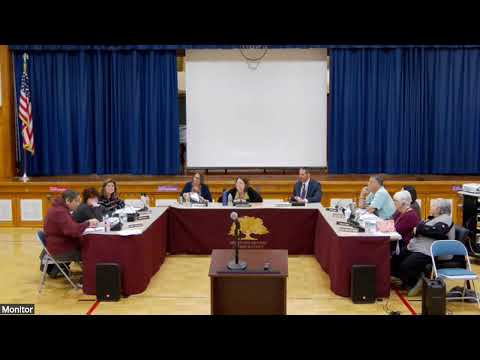
Overlook Primary outlines PLC reboot, interactive read‑aloud checklist and local equity efforts
Summary
Overlook Primary School staff told the Arlington Central School District board they are using a three‑year PLC cohort, a school guiding coalition and a teacher‑driven "15‑day challenge" to tighten PLC routines and align equity work with curriculum.
Overlook Primary School staff described to the board how a renewed Professional Learning Community (PLC) effort and a locally drafted interactive read‑aloud guidance checklist are being used to align curriculum and equity work at the primary level.
Miss Wheeler, an Overlook staff member who introduced the presentation, said the building joined a three‑year national PLC cohort and formed an Overlook Guiding Coalition comprising a teacher from every grade level and special education. The coalition attended Albany workshops and led a schoolwide effort to restart PLCs using a tighter structure. "Teams that know each other's personality traits are more apt to capitalize on those traits and use what works for each other," the presenter said, summarizing the building's approach to collaborative work.
The presenters described a practical, teacher‑focused rollout called the "15‑day challenge," in which grade‑level teams prioritized essential standards (organized as "boulders, rocks, and butterflies") and agreed common formative assessments and intervention plans. Overlook staff reported early gains in reading comprehension for current second graders compared with last year's cohort; presenters cautioned the metric is a midpoint snapshot rather than a final outcome and emphasized the work's early stage.
Equity and read‑aloud guidance: Overlook teachers and the district's ELA content team are piloting a read‑aloud guidance checklist intended to help teachers evaluate books they encounter off‑the‑shelf for cultural responsiveness, age appropriateness and alignment with New York State standards. Dr. Karen Mayer (presenting on interactive read‑alouds) said the checklist links to the New York State literacy briefs and the state’s pre‑K–3 instructional best practices guidance and is intended to support teachers selecting texts in diverse classrooms.
Practical examples cited included the Duet newsletter (a building publication spotlighting history and heritage months) and a plan to pilot audio name badges to enable correct pronunciations for staff and students. Teachers also outlined family‑facing efforts such as providing incoming kindergarten families books in home languages.
Why it matters: Presenters framed this as an effort to align equity work with curricular planning so that culturally responsive practices are part of everyday instruction rather than siloed initiatives. Board members and the superintendent asked about roadblocks (time and staffing), how success would be measured, and whether other buildings would adopt the checklist.
Ending: Overlook staff said they will pilot the checklist in building PLCs and return feedback for district refinement; board members expressed support and asked for copies of the Duet newsletter and the draft checklist for review.