Get Full Government Meeting Transcripts, Videos, & Alerts Forever!
Get email alerts on the Banking For Foster Youth topic
No spam. Unsubscribe anytime.
Committee hears bill to let foster or emancipated youth open bank accounts without cosigner; industry seeks liability protections
Summary
Representative Campbell introduced House Bill 1441 to allow foster youth and emancipated minors to open checking or savings accounts without an adult cosigner with DCS or juvenile-court consent; supporters said it would protect youths’ earnings while creditors and deposit-takers asked for liability protections.
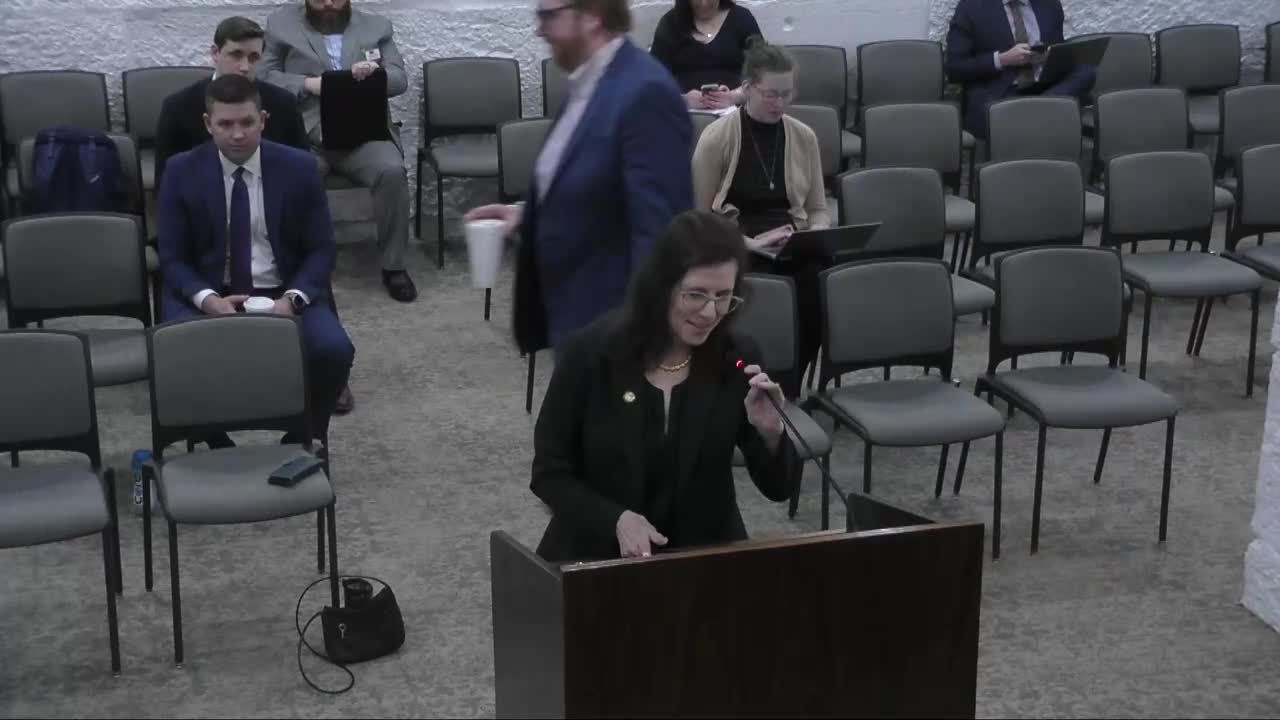
Representative Campbell presented House Bill 1441 to allow a minor who is a foster youth or an emancipated minor to open a savings or checking account without an adult cosigner if the Department of Child Services (DCS) or a juvenile court with jurisdiction consents. Campbell said the proposal responds to cases in which foster youth lack a stable adult and have had funds removed from accounts by adults with access.
Maggie Stevens, president and CEO of Foster Success, told the committee her organization supports the bill, saying foster-care caseworkers and courts already assess youth readiness for activities such as driver’s education and participation in court procedures and could apply similar judgments for financial competency. A young person who testified as a constituent, Rowan, described having an account opened with a foster family that allowed the adults to access and withdraw funds; he said he later opened a separate account after he left the home to protect savings.
Banks and credit unions generally supported the bill’s objective but urged protections. Carrie Summers of the Indiana Credit Union League and Ross Teer of the Indiana Bankers Association said credit unions and banks are willing to help but face potential litigation risk when they open accounts for minors without a cosigner. Those witnesses explained small institutions in particular weigh the legal exposure of servicing a minor who has no credit history and no adult cosigner. The banking witnesses said the bill’s immunity language is important to allow institutions to take on that risk; others on the committee questioned whether a court order alone would provide sufficient protection.
Committee members raised three recurring concerns: whether DCS alone should authorize accounts or whether authorization should be limited to a juvenile court (some senators said a court order offers clearer legal protection), whether the bill should use age 19 to match existing statutes on emancipation and child-support termination, and what procedural criteria caseworkers should use to determine a youth’s readiness to enter a bank agreement.
Representative Campbell said the bill was drafted with banks and credit unions and that the immunity language was requested by those institutions. Senator Walker asked stakeholders to work with sponsors and the committee before next week; the sponsor agreed to hold the bill for further study and technical work.
What’s next: the sponsor asked the chair to hold the bill for the week to allow further draft revisions addressing the immunity and authorization questions; committee members encouraged continued negotiation among DCS, industry and youth advocates.