Lifetime Citizen Portal Access — AI Briefings, Alerts & Unlimited Follows
Cherokee Nation chief outlines health, housing and language investments in State of the Nation address
Loading...
Summary
Principal Chief Chuck Hoskin Jr. highlighted new partnerships and funding for legal aid, cancer care, rare-disease support, language programs and housing initiatives; a telemedicine/Medicare/dialysis study and program reports are expected in July.
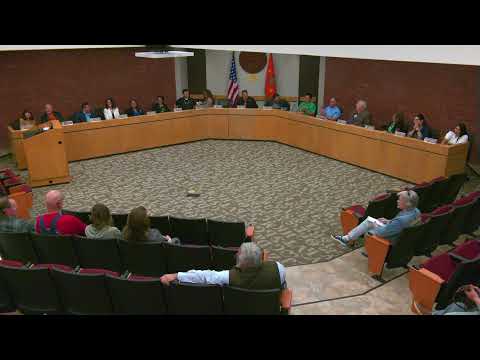
Principal Chief Chuck Hoskin Jr. delivered the Cherokee Nation’s State of the Nation address at the tribal council’s March 10 meeting, laying out new partnerships and funding priorities for health care, housing and language preservation.
The chief said the nation has launched a pilot partnership with Legal Aid Services of Oklahoma using American Rescue Plan Act (ARPA) funds designated by the council. “This is a pilot program,” Hoskin said, adding the service will operate through the Cherokee Nation Human Services Department and use a referral process to connect citizens to legal help.
Hoskin told the council the nation will study telemedicine, supplemental Medicare access and dialysis access and deliver a report in July. “Telemedicine is something that can benefit those of us who live near a health facility,” he said, and urged continued study of what the nation can do to increase access.
He announced the Public Health and Wellness Fund will support a $1,000,000 grant program for community wellness investments, saying the fund can support nonprofits, schools or local governments and may even fund projects outside the Cherokee Nation if they benefit the reservation. Hoskin also described a rare-disease task force report and a fall conference; he said a follow-up rare-disease conference is planned for June 12.
On cancer care, Hoskin said the Cherokee Nation has executed agreements with the University of Oklahoma Stevenson Cancer Center in Tulsa and the Mercy health system in Fort Smith. “Thanks to this council which authorized the agreements that we’ve executed, with $8,000,000 donations to each of those entities, we know that will improve access to cancer care,” he said.
Language and cultural programs were another focal point. Hoskin noted the nation’s funding for Little Cherokee Seeds — $800,000 in the most recent commitment and $1,300,000 total to date — an early-childhood program that supports Cherokee language learning. He highlighted graduates of the Cherokee language master-apprentice program and said that partnership and training help prepare speakers for employment inside the nation and beyond.
Hoskin described a large pedestrian safety project in partnership with a local government: a 4.4-mile, 10-foot-wide multiuse path that will link the Walmart intersection through the Cherokee complex area and extend past the Durbin Feeling Language Center. He said funds are available for a safely constructed underpass at a known danger point on the campus.
On housing, Hoskin pointed to two laws he said position the Cherokee Nation for major investments: the Housing Jobs and Sustainable Communities Act, which he said commits $40,000,000 largely for housing, and the Public Health and Wellness Fund Act. He said a three-year plan for distributing housing-authority funds is already in development and that the council should see community impacts in coming years.
Why it matters: the chief framed the announcements as a mix of near-term pilots and larger, multiyear investments in health access, housing and cultural preservation. Several items — the legal-aid pilot, telemedicine/Medicare study, rare-disease work, cancer-care partnerships and sidewalk/underpass construction — are positioned to affect access to services for tribal citizens.
Hoskin closed by thanking council members and staff; he repeatedly described several items as pilot programs or studies, signaling some initiatives will require further planning or reporting before new services begin in full.
Ending: The council did not take formal votes on the chief’s address itself. Hoskin said the administration will return with more detailed reports — notably a July update on telemedicine, Medicare and dialysis access — and continue implementation discussions with the council.