Get Full Government Meeting Transcripts, Videos, & Alerts Forever!
Get email alerts on the Wild Rice Protections topic
No spam. Unsubscribe anytime.
Tribes, environmental groups and lawmakers urge inclusion of Wild Rice Act in environment omnibus
Summary
Multiple speakers, including tribal members and advocates, urged the Senate committee to include language from Senate File 1247, commonly called the Wild Rice Act, in the environment omnibus. Witnesses emphasized cultural, treaty and ecological reasons for statutory protections urging legislators to add the language as an amendment.
A coalition of tribal representatives, environmental advocates and faith‑based organizers urged the Minnesota Senate Environment Committee on April 8 to include the Wild Rice Act (Senate File 12‑47) in the omnibus environment and natural resources bill.
"This bill recognizes that wild rice has the right to live because it is in fact alive," said Jessica Intermill, strategic policy consultant at Minnesota Interfaith Power and Light, during public testimony. Intermill told the committee the measure is not a legal personhood bill and that it focuses on recognizing the inherent, naturally occurring right of wild rice to exist and thrive.
Multiple tribal speakers and advocates described wild rice (manoomin) as a cultural and ecological keystone. "By protecting wild rice today, we honor not just the past, but also the future generations who will rely on it for food, culture, and connection to the land," said Liana Goose of Rice and Repair Alliance. Gina Peltier, an Anishinaabe member of the Turtle Mountain Band of Chippewa, told the committee that tribes and the Minnesota Indian Affairs Council support the protections and that extensive community organizing had built broad backing for the measure.
Michael Lane of the Indigenous Environmental Network and other testifiers emphasized that the proposed language does not create corporate‑style legal personhood or a new ability to sue; rather, they said, the proposal recognizes wild rice as a living component of the ecosystem whose continued survival is tied to treaty rights and tribal food security.
The Department of Natural Resources and other agencies were present during public testimony; several witnesses urged lawmakers to include the Wild Rice Act language in the DE amendment. Dozens of organizations and tribal governments, witnesses said, have signed on in support.
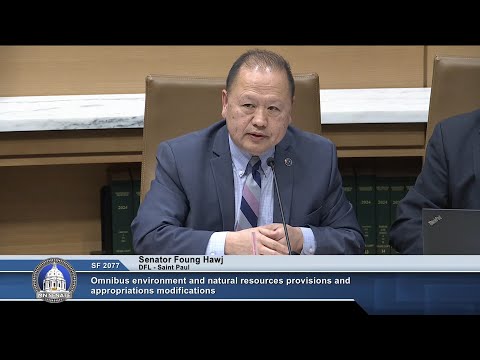
Committee response: Members acknowledged the testimony and several senators said they intended to continue work on the issue. Senator Sarah Kunish said she would offer an amendment on Thursday to include the Wild Rice Act language in the omnibus bill.
Why it matters: Testifiers framed the issue as preservation of a traditional food, treaty‑protected harvesting practices, and an ecological indicator of water quality. Advocates told the committee that statutory recognition would create a new policy framework for protecting wild rice beds across northern and central Minnesota.
What’s next: Committee members indicated the issue will be revisited at the next committee meeting; an amendment to the omnibus bill was pledged by a committee member for Thursday consideration.
Ending note: Witnesses asked legislators to consider treaty obligations and long‑standing cultural relationships with wild rice as they weigh amendments to the environment omnibus.