Get Full Government Meeting Transcripts, Videos, & Alerts Forever!
Get email alerts on the Healthcare 340b topic
No spam. Unsubscribe anytime.
Senate panel limits new drugmaker restrictions on 340B safety-net providers, adopts compromise
Summary
The Senate Finance, Ways and Means Committee approved Senate Bill 1414 after adopting a compromise amendment that preserves existing pharmaceutical audit and data requests through June 1 but bars new restrictions after July 1. Sponsors said the change protects contract pharmacies and rural access while retaining federal and AG oversight.
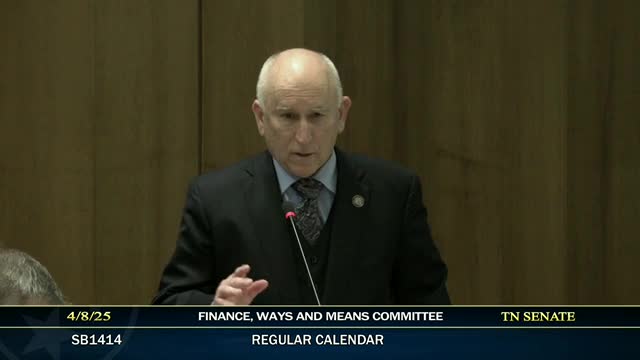
The Senate Finance, Ways and Means Committee on April 8 approved Senate Bill 1414, a measure aimed at curbing certain restrictions pharmaceutical manufacturers place on 340B covered entities and their contract pharmacies.
Supporters said the bill is a negotiated compromise that preserves current audit and data practices in the short term but prevents new manufacturer-imposed limits that could reduce patient access through contract pharmacies. Sen. Brent Briggs, the bill sponsor, told the committee the measure “will prevent [manufacturers] from interfering with or restricting safety-net providers' contract pharmacy arrangements, including limiting access to these pharmacies.”
The bill follows months of controversy over whether manufacturers may place limits on contract pharmacies or demand additional data and audits. Briggs said the adopted amendment “grandfathers in” restrictions and requests that existed through June 1, but forbids new restrictions after July 1. He also said oversight responsibilities will rest with the state attorney general rather than splitting enforcement between the attorney general and the Department of Commerce.
Committee questioning focused on how contract pharmacy lists are compiled and whether the bill prevents covered entities from adding contract pharmacies. Dr. Shannon Berger of Simba Community Care in Chattanooga testified that the bill “does not prevent adding new contract pharmacy arrangements,” and explained that the long lists of contract-pharmacy locations often reflect separate registrations for each physical pharmacy site rather than a large expansion of access.
Kristen Pardy of the Pharmaceutical Research and Manufacturers of America (PhRMA) described how contract arrangements operate drug-by-drug and said hospitals receive the “spread” between the discounted purchase price and the reimbursement paid by payers. In response to questions about uninsured patients, witnesses and providers described a range of practices; one community clinic director said uninsured patients at their clinic are charged the organization’s cost plus a $4 dispensing fee.
Committee members pressed on whether the bill would curtail audits and data sharing used to verify program compliance. Briggs and witnesses said the compromise preserves existing auditing and data access that manufacturers exercised before the cutoff date but blocks expansion of those requirements going forward. The committee adopted finance amendment 1 and recommended the bill for passage to the calendar committee by a recorded vote of 8 yes, 3 no.
The bill’s sponsor framed the legislation as protecting the federal 340B safety net—hospitals, clinics and community providers that use discounts to fund services—while limiting new manufacturer conditions that sponsors and some providers said were impairing program access in rural areas.
What’s next: SB1414 is recommended to the calendar committee for further consideration.