Get Full Government Meeting Transcripts, Videos, & Alerts Forever!
Get email alerts on the Budget 2025 26 topic
No spam. Unsubscribe anytime.
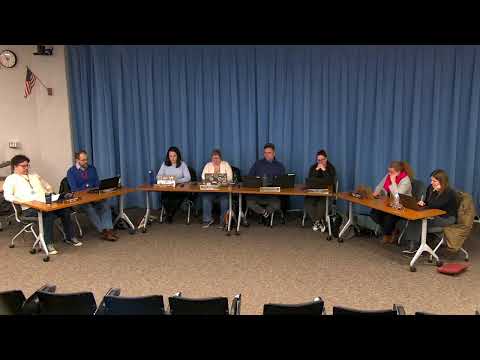
Fairport board reviews 2025–26 budget, projects $3.5 million shortfall tied to health insurance costs
Summary
At an April 8 board workshop, Fairport Central School District leaders presented the 2025–26 draft budget and said a roughly $3.5 million shortfall—driven largely by rising health insurance costs—will likely be covered with reserves while the district awaits the state executive budget. The board plans a formal adoption recommendation April 22.
Fairport Central School District trustees at a board workshop on April 8 heard officials outline the district—s proposed 2025—26 budget and the steps staff plan to take as they wait for the New York State executive budget.
District staff told the board the proposed total expenditure budget is just under $165.8 million, an increase of about 3.71 percent from the prior year, and that the district currently projects a budget shortfall of roughly $3.5 million driven primarily by an increase in health insurance costs. Staff said they plan to recommend using reserves, adjusting assigned balances and continuing to monitor sales tax and state aid figures before the April 22 adoption vote.
Why it matters: the operating budget funds classroom programs, transportation and facility upkeep across Fairport—s 12 buildings and affects the property-tax levy that funds a large share of district operations. Board members said they want to preserve classroom priorities and school-improvement initiatives while managing rising benefit and debt-service costs.
Budget highlights presented to the board included: a $3.5 million increase in employee health insurance expenses within a total $3.9 million increase in employee-benefit costs; an overall expenditure budget near $165.8 million; and projected revenues (including a transfer from debt service and assigned fund balance) of about $162 million, leaving the noted gap staff said will be covered with reserves if necessary.
Staff outlined revenue and expenditure drivers: a proposed 2.998 percent increase in the property-tax levy that tracks recent inflation; a projected increase in sales-tax receipts; a small decline in state building-aid–related aid tied to debt-service and BAN movements; Medicaid revenue left flat at about $125,000; and assigned appropriated fund balance projected at $4.9 million with assigned reserves shown at $3.3 million.
District staff also reviewed program and operational details that feed into the budget: prekindergarten seats (108 seats with a wait list), K–5 literacy alignment and growth, a 10-course elective program at the high school, the addition of female flag football and girls wrestling programs, and investments in special-education supports such as a sensory classroom at JA. Facilities and operations figures cited by staff included roughly 300 acres of district property, 12 buildings (eight school buildings and four ancillary buildings), slightly more than 4,500 student Chromebooks, about 325—330 staff Chromebooks and daily transportation for about 4,900 students covering more than 1,000,000 miles annually.
On staffing and cost-control, staff described plans to limit or delay some equipment and noninstructional purchases, tighten coded supervision assignments (for athletics, traffic management and other supervisory roles), and pursue a disciplined staffing-analysis process that prioritizes using existing staff where appropriate rather than adding sections or new hires.
The board and staff repeatedly emphasized that the draft budget attempts to protect classroom programs and the district—s MTSS-aligned school-improvement priorities while using one-time reserves to smooth the shortfall. Staff said they will present a recommendation for adoption at the April 22 business meeting after the executive-state budget figures are released and plugged into the district—s model.
The workshop included questions from trustees about sales-tax projections and investment income; district staff said week-by-week investment updates (Treasury and short-term instruments) have produced higher interest earnings and that a 12-month Treasury rate at the time of presentation was about 3.66 percent.
No final budget adoption occurred at the workshop; the board directed staff to return with an adoption recommendation on April 22 after incorporating the state executive budget and any adjustments to reserves.