Get Full Government Meeting Transcripts, Videos, & Alerts Forever!
Get email alerts on the Capital Improvement topic
No spam. Unsubscribe anytime.
Wake County staff previews nearly $3 billion 7‑year capital improvement program; board flags priorities, cost risks
Summary
At a Wake County Board of Education work session, staff presented a FY26–32 capital improvement program totaling nearly $3 billion, highlighting new schools, major renovations and increased life‑cycle funding while board members pressed staff on priorities, contingency planning and material‑cost volatility.
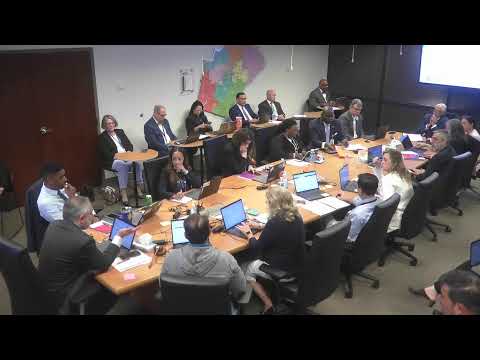
At a Wake County Board of Education work session on Tuesday in April (date not specified), Wake County Schools staff presented an executive‑summary update of the fiscal‑year 2026–2032 capital improvement program totaling nearly $3 billion over seven years.
Mark Cooney, director of program controls for Facility Design and Construction, told the board the plan lists funding requirements and schedules for new schools and renovations. He highlighted two schools previously advanced by the board — Northville High School and Parkside Middle School (WESIP site swap) — and additional school funding proposed in FY26–27 for Marshburn Road Elementary (outside Wendell) and Poole Road. Cooney said program requirements are split into debt‑funded and cash‑funded items and called attention to a large increase in life‑cycle building funding, which staff estimated at roughly $1.3 billion for that category across the plan.
Board members and staff stressed the plan remains a working document. Chair Hagerty (identified in later remarks as chair) and other board members noted the CIP was discussed previously in facilities and finance committees and will appear later on the board’s agenda as an action item. Staff said design and contractor estimates will sharpen cost figures as projects progress and cautioned that market volatility for materials (for example, steel) and tariffs could alter bids and require adjustments to scope or financing.
Members raised substantive policy and priority questions. Several board members asked staff to weigh whether life‑cycle and deferred‑maintenance work should move ahead of some planned additions in later years; concerns included the schedule for security projects, the operational cost implications of new technology purchases (more devices can raise ongoing technical‑support staffing costs) and the district’s use of mobile classrooms and trailers. Vice Chair Swanson asked about the process and rubric for naming schools that will be proposed in the next naming cycle. Board members asked for more site visits and for staff and county partners to coordinate tours of candidate schools this summer so board members can evaluate existing conditions prior to making recommendations next spring.
Staff described the difference between debt‑funded and cash‑funded items: debt‑funded projects are paid over time with interest, while cash‑funded items would be paid from county cash holdings and not incur bond debt service. Board members directed staff to return the CIP later in the evening for a formal action vote (agenda item), and several requested that staff present prioritized options and contingencies for FY27–32 to guide future board direction.
Ending: Staff said they will refine cost estimates as designs progress and will return the CIP as an action item later on the board agenda; board members requested additional materials and site visits ahead of any final votes.