Get Full Government Meeting Transcripts, Videos, & Alerts Forever!
Get email alerts on the Education topic
No spam. Unsubscribe anytime.
Dozens urge Rutherford County commissioners to fully fund schools as public comment fills meeting
Summary
More than 40 residents, teachers and parents pressed Rutherford County commissioners to approve full funding for county schools and restore programs amid concerns about cuts to staff, counselors and extracurriculars; commissioners did not vote on school funding during the public-comment period.
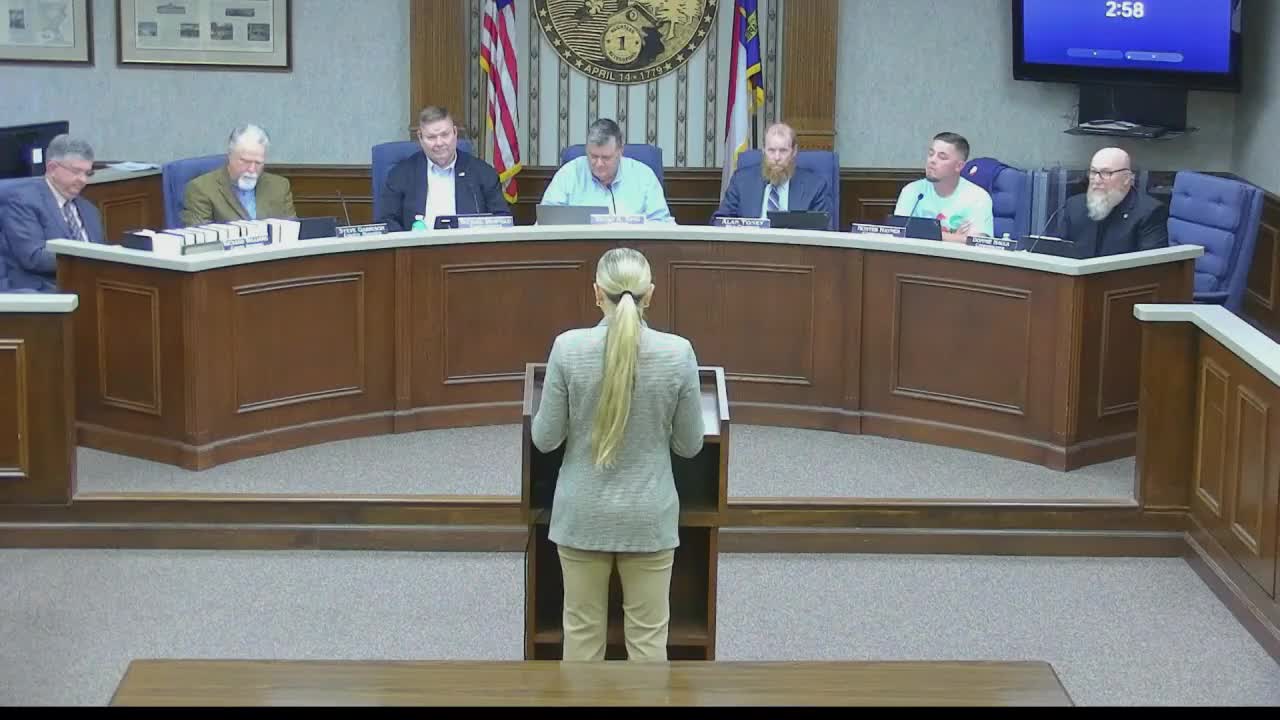
Dozens of Rutherford County residents and school employees urged county commissioners on April 7 to approve full funding for Rutherford County Schools, warning that cuts to staff and programs are already harming students and threatening the county’s future.
Speakers at the Board of Commissioners meeting included teachers, parents, school staff and former students who described overcrowded classrooms, teachers paying for classroom supplies out of pocket, shared school resource officers (SROs), and the loss of elective and career-technical programs that supporters said are essential to student success.
The wave of public comments came during the meeting’s public-comment period, where the board heard extended testimony but did not take a vote on overall school funding requests. Instead, commenters and several speakers emphasized the human impact of decisions the commissioners will make as they finalize the county’s budget.
“Whenever you are approached or given the opportunity to increase funding for our schools, I hope you always vote yes,” said Alexandra Langley, who said she moved to Rutherford County from Florida and urged funding for school safety and school resource officers. “When we invest in safety, education, and the well-being of our students, we are investing in a brighter and stronger future for our entire community.”
Other speakers described specific classroom and program needs. Jennifer Robertson, a teacher of children with exceptional needs, said federal law requires special-education services and that “these services must be provided regardless.” She cited high local poverty and said teachers often supplement students’ basic needs from their own paychecks.
Multiple parents and school volunteers cited career-technical education (CTE) and elective offerings as decisive for families choosing to live in Rutherford County. Several students and graduates credited hands-on classes — carpentry, agriculture, public safety, culinary — with job skills and college or workforce readiness. One parent and former teacher, Julie Pittman, said her son benefited from Rutherford County’s trades programs and earned OSHA certification as a freshman because of county schools’ CTE opportunities.
Speakers repeatedly called for consistent SRO coverage in every school, restored local supplements for teacher pay and smaller class sizes. Several commenters noted county audit figures and fund balances and asked elected officials to use available funds rather than allowing programs and staff to be cut.
“Please stop saving more money than necessary while these children and their educators do without,” said John Bridges, a county graduate and parent, referencing the county’s fund balance noted in the audit.
School-board and other local officials were also represented among commenters. Some speakers urged commissioners to treat the school funding request as an investment in the local economy, citing teacher retention, house-buying decisions and businesses’ ability to attract employees.
The meeting included multiple other agenda items and formal votes later in the session, including county budget amendments and other resolutions that may affect school operations. At least one amendment related to the school transportation maintenance facility was approved during the meeting, but the broader school funding request that residents urged the commission to adopt was not directly voted on during the public-comment portion.
Members of the public repeatedly asked for clarity on where county reserves and recent investment earnings might be applied to the school funding request. Commissioners heard the comments during what meeting materials and speakers described as an unusually large and prolonged public-comment period: more than 40 individuals spoke, including teachers, parents, students and nonprofit and business leaders.
The final disposition of the school board’s formal funding request will be decided as commissioners move through remaining budget deliberations; at this meeting commissioners approved several budget amendments and disaster-related spending measures elsewhere on the agenda that will affect county finances.
Community leaders said they will continue to press the board before final budget votes.
Ending
Commissioners offered no immediate vote on the full school funding request while accepting public comment. The board did approve narrower budget amendments during the same meeting; school advocates said they will return for further hearings and budget votes.