Get Full Government Meeting Transcripts, Videos, & Alerts Forever!
Get email alerts on the School Budget topic
No spam. Unsubscribe anytime.
Regional School District 15 board approves 2025–26 budget after $305,000 amendment
Summary
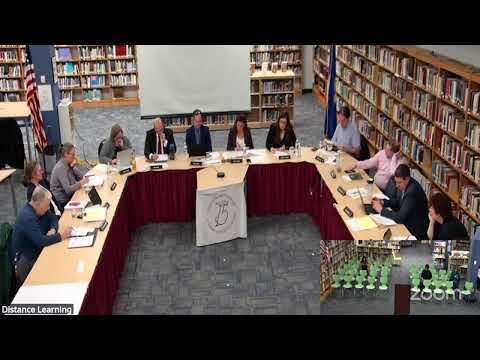
After several hours of discussion about capital reserves and special-education funding, the Regional School District 15 Board of Education approved a $3,611,017 increase for the 2025–26 school budget, sending the plan to a May 7 referendum.
The Regional School District 15 Board of Education on April 7 approved a $3,611,017 increase for the 2025–26 school budget, a 4.14% year-over-year rise, following a motion to reduce the superintendent’s original proposal by $305,000. The board approved the amended figure and set a referendum for May 7.
Board members spent more than an hour debating where to trim the proposed increase, focusing on the district’s capital reserves, the special-education contingency, and one-time year-end expenditures. The amendment that passed reduced the proposed increase by $305,000 by (as described during the meeting) increasing expected nonoperating revenue projections, moving $75,000 of nonrecurring items to this year’s year-end funds, and reducing the special-education contingency by $100,000.
Why it matters: Board members repeatedly framed the vote as a balance between immediate taxpayer relief and protecting long-term district needs — roofs and other capital projects, class size and instructional staffing, and the district’s special-education spending volatility. Several members urged caution because of rising construction and materials costs and the district’s historically low reserves compared with other regional districts.
Discussion highlights and context Shannon Cavallo, a board member, opened the substantive debate in favor of the superintendent’s original proposal, saying, “This budget ... is an investment that I believe is both necessary and responsible,” and stressed repairs to aging facilities and preserving class sizes. Several board members echoed support for facility investments but sought a small reduction to pass along savings to taxpayers given one-time revenue opportunities discussed by staff.
Tom (board member) moved the amendment to trim $305,000; he described $300,000–$400,000 as a reasonable “floor” for reductions while preserving instructional priorities. Board members cautioned that any reductions should not erode classroom staffing or required services. Sharon (board member) asked the board to use “the utmost care” to ensure cuts would not affect instruction.
District staff provided financial context during the discussion. A district finance presenter said the current projected year-end fund balance is about $1.7 million (this projection includes remaining debt-service transfers), and that short-term investment income has materially outperformed earlier projections (driving an updated expectation for interest earnings this year). Staff also described a newly created educational expense account authorized by recent legislation and explained that the district intends to narrow the account’s use — prioritizing special-education needs unless the board approves otherwise — and that contributions to capital/nonrecurring and educational expense accounts combined would not exceed 2% of the budget.
Outcome and next steps The board adopted the amended budget on a roll-call vote (final roll-call recorded in the meeting minutes). The superintendent and business office will finalize materials for the district budget referendum, which the board stated at the meeting is scheduled for May 7. If approved by voters, the proposed budget would fund planned capital repairs, maintain class sizes and staffing levels included in the superintendent’s proposal, and seed the educational expense account as described by staff.
What the board did not decide Board members agreed the amendment should not be a directive on specific line-item cuts; rather, administration will determine how to achieve the $305,000 reduction consistent with the board’s instruction to avoid harming classroom instruction. The board also did not set a firm recurring contribution level for the new educational expense account; members discussed short-term seeding from year-end funds and longer-term contributions in future budgets.
Ending note Board members thanked staff and colleagues for a lengthy, detailed budget conversation and reiterated the date for the budget referendum. The district will publish the official budget summary and voter materials prior to the May 7 referendum.