Get Full Government Meeting Transcripts, Videos, & Alerts Forever!
Get email alerts on the Technology Erp topic
No spam. Unsubscribe anytime.
Idaho Falls proposes $5.5 million Workday ERP project; council asked to approve statement of work Thursday
Summary
City staff updated the council on a Workday enterprise resource planning (ERP) project, reporting a scope increase and revised cost estimate that raised the total program to about $5.5 million, with a proposed funding plan that spreads government costs over multiple years and assigns the enterprise funds the largest share.
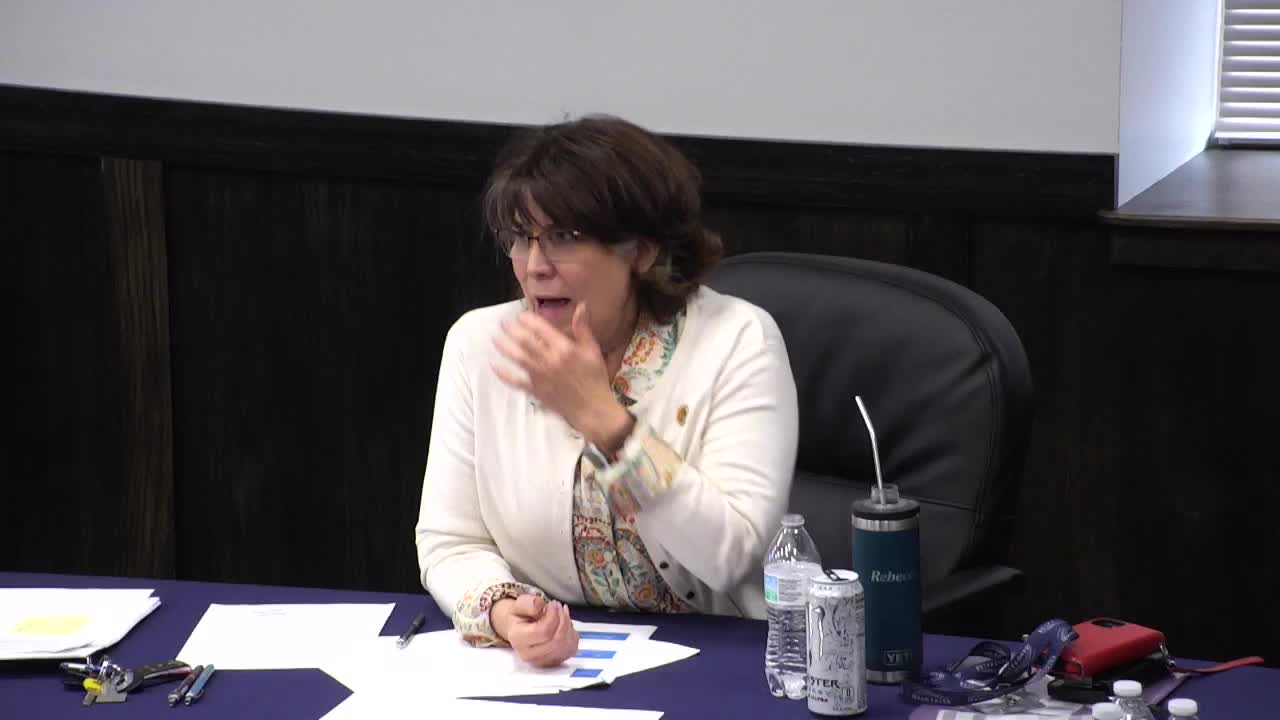
City staff briefed the Idaho Falls City Council work session on the planned enterprise resource planning (ERP) implementation (Workday) and the revised cost and scope that have emerged since the January presentation.
Mark, the city—s ERP project lead, explained that a more detailed statement of work and vendor discovery added modules (SKUs), increased data conversion needs and more integrations. The city asked council to approve an updated statement of work and master agreements on Thursday to proceed.
The changes in scope include seven additional Workday modules the project team recommends (grant tracking, an automated internal expenses/approvals module, Prism analytics/reporting, HR messaging and ticketing tools, employee journey development and a candidate engagement assistant), broader data conversion for payroll and assets (city staff said asset conversion increased from an estimated 1–2k assets to about 5k capital assets), and about 45–50 integrations to automate interfaces with banking, point‑of‑sale, inventory systems, benefits providers and other core systems.
Those scope increases raised the project price. The updated direct and indirect cost summary presented by staff shows an implementation and subscription estimate nearing $5.5 million (the team cited a prior estimate of roughly $4.9 million and a net change of about $500,000 after the statement of work). Staff said the city obtained initial subscription credits (two years) as part of negotiation, and that some training features are provided through Workday—s university model rather than vendor-led onsite training.
Staff described the recommended funding approach: enterprise funds will cover about $3.1 million of the total, and governmental funds about $2.4 million; the city proposes financing the government portion over several years (a loan for 5–7 years) so capital needs are not concentrated in a single fiscal year. The first‑year subscription and training costs were shown as recurring operating costs in future budgets.
Timeline: staff said they plan a readiness phase starting in late April, with a fast implementation targeted at under 18 months from kickoff. Staff expects deployment for core financials and payroll in mid‑2026 with a short stabilization period. The next phases (work order/asset management and other enterprise modules) will follow; some of those later modules will be funded by enterprise funds.
Council members asked questions about which modules were essential versus optional, how integrations and conversions were scoped, whether the project would replace current analytics tools, and how backfill and indirect staff costs would be charged to departments. Mark and Margaret (steering committee lead) said the steering committee prioritized grant tracking, internal expense approvals and Prism analytics as high‑value additions; other added SKUs were offered as part of a negotiation package.
Staff emphasized that purchasing and conversion decisions would reduce downstream audit and compliance risk (for federal awards reporting and procurement checks), and that the ERP is expected to modernize financial controls and reporting across departments. Council will consider formal approval of the vendor contracts and statement of work at the next regular meeting; staff said initial contract signatures would move the project into the readiness phase.
Ending: Council members asked for follow‑up detail on crosswalks between pages of the cost presentation and on how department backfill credits will be administered. Staff promised a formal memo and contract packet for the Thursday agenda and said they will return with further cost breakdowns and implementation plans if council approves the statement of work.