Get Full Government Meeting Transcripts, Videos, & Alerts Forever!
Get email alerts on the Energy Electricity topic
No spam. Unsubscribe anytime.
Lima officials warned of rising electric prices; consultant urges multi‑year aggregation strategy
Summary
An energy consultant told the Lima City Council that supply-demand shifts and a spike in capacity auction prices mean residents should expect higher electricity costs starting June 1; the consultant recommended a 3–5 year aggregation term and asked for authority to transact when market windows open.
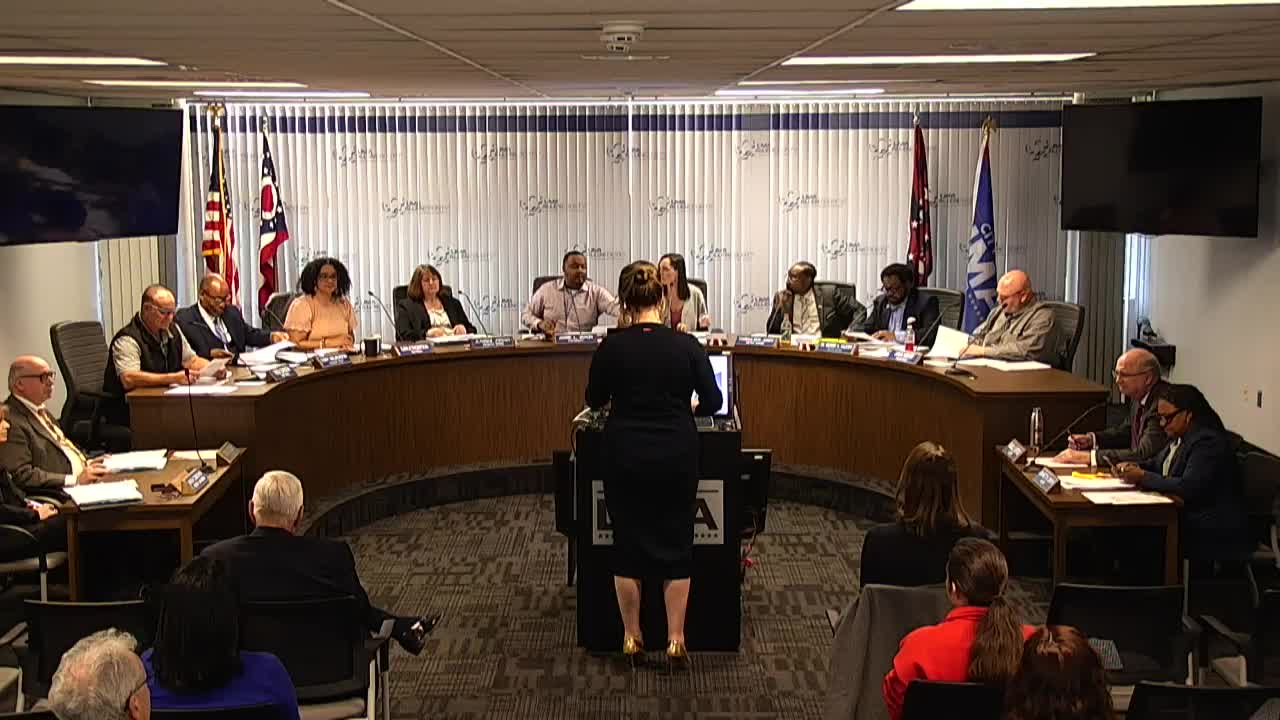
Erin Schmerschneider, the City of Lima’s electric aggregation consultant with Trey Bell Energy, told the Lima City Council on April 7 that regional market factors are driving higher electricity costs and that the city should consider a longer contract term to limit future price exposure.
Schmerschneider said changes in generation and a steep increase in capacity auction prices have combined to push rates up. “The most recent auction that was held, cleared at 277 dollars,” she said, calling it “a 9x increase.” She added that the capacity charge component will rise substantially and that “your electric rates are going up 20%… starting June 1.”
The recommendation from Schmerschneider was twofold: adopt a longer aggregation term of three to five years and consider authorizing Trey Bell Energy to watch the market and transact on the city’s behalf when favorable pricing appears. “We’re suggesting taking a longer view… this is a cost‑avoidance strategy,” she said.
Why it matters: Lima’s aggregation program covers roughly 4,882 participants — about 65% of eligible city accounts — and has reported roughly $2.44 million in participant savings since September 2023, Schmerschneider said. A significant cost increase for capacity and energy commodity prices could cut the program’s near‑term per‑participant savings from hundreds of dollars to roughly $100–$150 per year, she said.
Councilors asked for additional detail and data. Councilor Jordan requested information about how much of the city’s electricity is supplied by renewables; Schmerschneider said she would provide state and program data, noting Ohio’s renewable requirement is currently 8% and will increase to 8.5% next year. Mayor Smith and council members discussed the mechanics of authorizing a consultant to transact between meetings; the mayor noted prior authority had been delegated in an earlier ballot/consultant arrangement and staff would bring any formal recommendation or extension back to council for action.
No formal motion or vote was recorded on a market‑watch authority or contract extension during the meeting; Schmerschneider said staff would return with recommended language and timing for council consideration. Council members and the consultant emphasized that capacity prices reflect broader grid issues, including rapid load growth tied to large new data center and manufacturing loads and the changing generation mix.