Get Full Government Meeting Transcripts, Videos, & Alerts Forever!
Get email alerts on the Public Safety Animal Control topic
No spam. Unsubscribe anytime.
Scotland County commissioners ask staff to study stronger animal-control penalties and draft ordinance
Summary
Commissioners questioned why many animal-control violations do not carry enforceable penalties and directed staff to research options and bring proposed ordinance language to the policy committee for drafting.
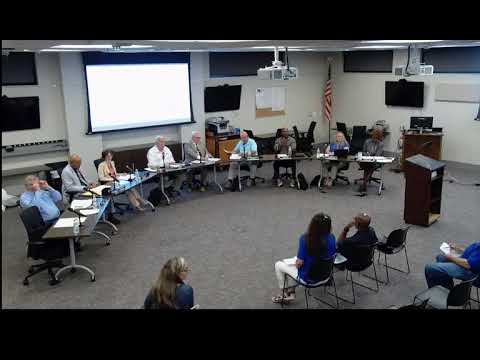
During the board's April 2025 meeting, commissioners reviewed animal-control call and impoundment data and raised concerns that violation counts recorded by animal control do not appear to lead to civil penalties or other enforceable consequences.
County staff presented call logs and summarized categories, distinguishing incoming calls from incidents that legally require response. Commissioners asked whether “violations” listed in the animal-control data generate citations or fines. A staff member answered, “I am not familiar, but I do not believe that there is any kind of civil penalty written or anything that that brings in revenue.”
Members of the board noted a gap between the number of violations and the number of animals impounded and suggested that some violations may be handled informally. Commissioners emphasized public-safety concerns—reports of emaciated and stray dogs and the potential for dangerous animals—and said a more enforceable penalty structure could help deter repeat offenses.
County legal counsel and staff were asked to research what other counties do and whether the county could adopt civil penalties or a staged enforcement system (warnings, fines, seizure). The board directed staff to return draft ordinance language and best-practice examples to the policy committee for further development.
Next steps
County staff will research existing county ordinances and cross-county examples, clarify whether current enforcement produces civil penalties or court actions, and present proposed ordinance language and an implementation plan to the policy committee for review.
No formal ordinance vote occurred at the meeting; the item was handled as a referral for research and drafting.