Get Full Government Meeting Transcripts, Videos, & Alerts Forever!
Get email alerts on the Judiciary Budget topic
No spam. Unsubscribe anytime.
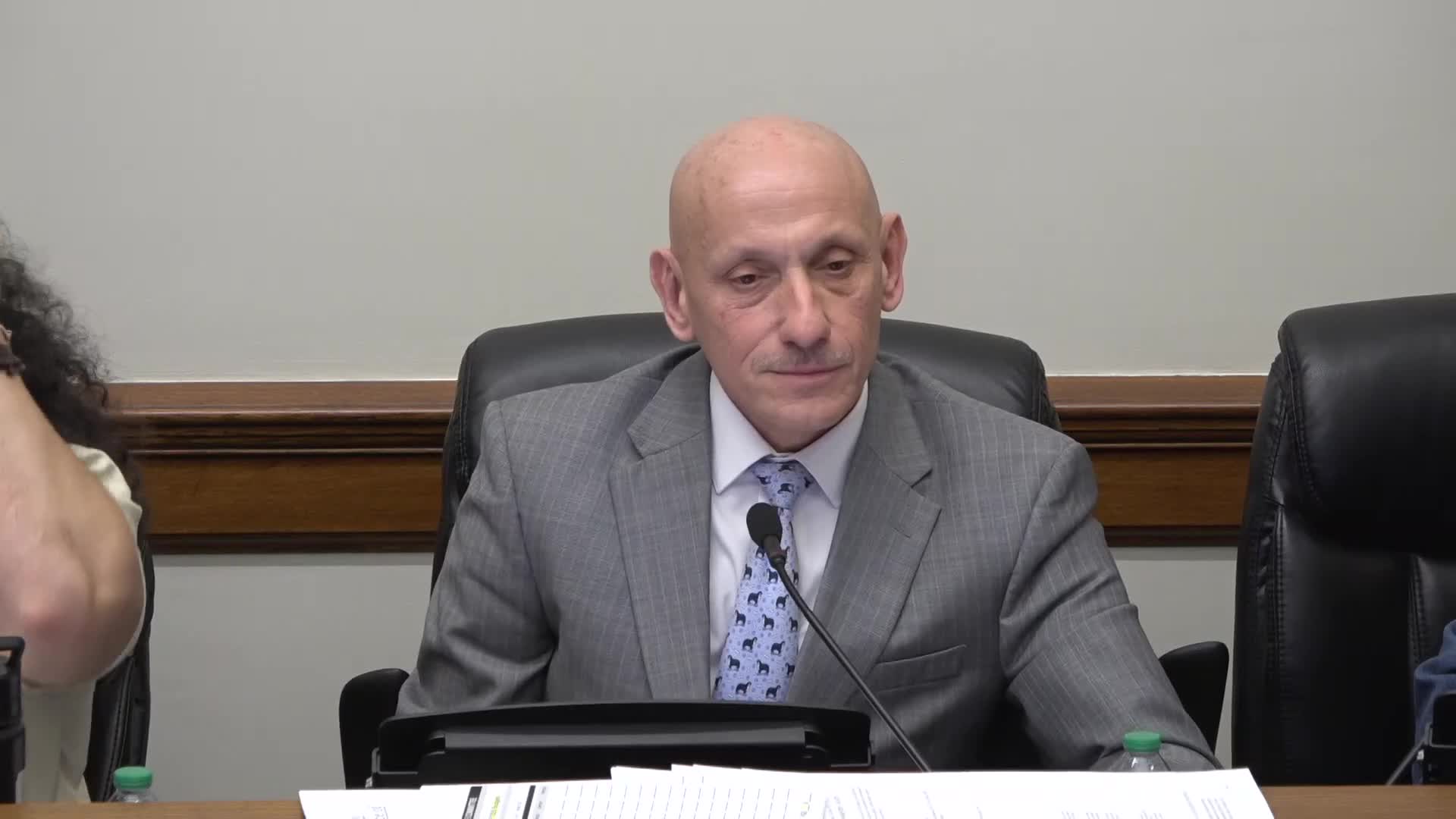
State court administrator warns 46% cut to operating budget would force steep reductions
Summary
The state court administrator told the Senate Finance Committee on April 3 that the governor’s recommended budget would cut the judiciary’s requested operating funds roughly 46%, a $5.7 million shortfall the administrator said the courts cannot absorb without reducing core services.
The state court administrator told the Senate Finance Committee on April 3 that the governor’s recommended budget would cut the judiciary’s operating allocation roughly 46% below the amount the courts asked the governor to forward to the legislature.
“Simply put, the judiciary cannot withstand a 46% reduction to its operating budget,” the state court administrator said, urging senators to review the branch’s submitted request and the uses of current funding.
The administrator said the judiciary’s internal submission identified operating needs of $12,500,000 — consistent with the current fiscal-year operating allocation of about $12,600,000 — but the governor’s recommendation funds the operating line at $6,700,000, a difference of roughly $5,700,000.
Why it matters: the judiciary said its budget is driven by three broad categories — salaries and benefits, operating costs, and assistance and grants (primarily indigent defense). The administrator told the committee indigent defense alone is budgeted at about $7,700,000 and that demand for court‑appointed counsel has grown since FY2018, even as the number of attorneys on appointment panels has fallen.
Court operations and public access: the administrator detailed how reductions would affect day‑to‑day operations, citing delays and postponed hearings caused in part by a longstanding shortage in sworn Division of Sheriffs officers. The judiciary has contracted with Providence Police to provide supplemental hallway security in two Providence courthouses at an annual cost of about $230,000 and warned that such costs will rise unless the sheriff complement is increased.
The administrator also described access challenges beyond security: the courts handled 91 jury trials and 30 bench trials in superior court and roughly 1,400 bench trials in district court in 2024, and the judiciary logged 11,000 requests for language‑access services in 33 languages during the year. The branch currently employs 10 staff interpreters (eight full‑time, two seasonal), all Spanish‑speaking, and asked the committee to consider adding positions for Cape Verdean Creole and Portuguese interpreters.
On juror pay, senators asked whether Rhode Island’s $25 daily stipend affects jury representation. The administrator said the judiciary cannot definitively attribute low turnout to the rate but urged “a multipronged approach,” including outreach and civics education, alongside any statutory increase in compensation.
New personnel and paused pay changes: the administrator said two compensation initiatives were approved by the chief justice in June 2024 — a one‑pay‑grade increase for staff in pay grades 18–26 and expansion of pay grade steps from 4–5 to 12 — but implementation has been delayed by the state’s enterprise resource planning rollout.
Court records and data privacy: the administrator described why the judiciary stopped bulk sales of electronic court records after discovering expunged case information had been distributed to vendors and could not be verified as overwritten. Because the department could not identify which vendor(s) retained expunged material, bulk data sales were suspended out of “an abundance of caution.” The judiciary declined to say which vendors received the files but told the committee the number of vendors was “limited.”
Committee requests and next steps: senators asked the judiciary for additional documentation on the $5.7 million difference and requested performance data, including counts of cases dispositioned within 24 months and cases exceeding 24 months, broken out by court. The administrator said the branch will provide the requested performance measures and meet with Senate fiscal staff to discuss areas of potential savings.
Speakers quoted in this account are limited to those who spoke during the hearing and are listed in the article’s speaker registry below. The judiciary’s submission, the governor’s recommendation and the department’s audited performance measures were referenced during the hearing; the committee requested follow‑up materials for its deliberations.