
House passes energy package after hours of debate over reliability, costs and siting rules
Get AI-powered insights, summaries, and transcripts
Subscribe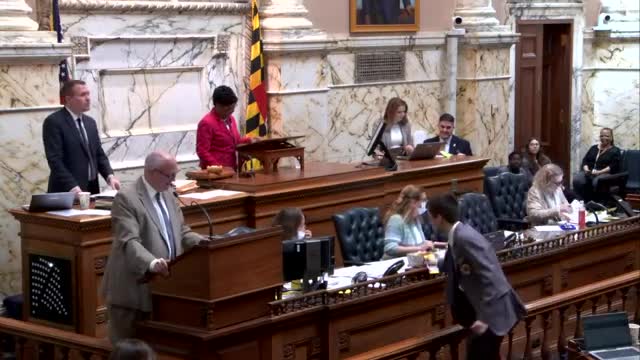
Summary
The House approved a three‑bill energy package—targeting emissions reductions, generation siting, and strategic planning—after extended floor debate over reliability, costs to ratepayers, local control, and agricultural land use; votes carried by narrow margins in some cases.
The House passed a multi‑bill energy package addressing electric and gas emissions reductions, generation siting, and strategic energy planning after extended debate that ranged from policy‑level defense of the bills to detailed questions about local impacts, workforce and ratepayer costs.
Supporters described the package as a set of reforms intended to control utility costs, improve long‑term planning and accelerate battery storage and dispatchable generation. A sponsor argued the bills will "save hundreds of millions of dollars for our ratepayers" over time by reining in certain reconciliation mechanisms, emphasizing in‑house labor and revised multi‑year rate plan rules to prevent utilities from shifting costs to customers.
Opponents said the state is an "energy desert" because past policies discouraged traditional generation and warned the reforms would not overcome constraints in transmission and siting; several delegates from Eastern Shore and rural counties argued the renewable siting provisions would pressure farmland and invoked concerns about local control, eminent domain and the impact on agriculture and the poultry supply chain.
Other questions focused on specific components: treatment of waste‑to‑energy in the renewable portfolio standard, sales tax exemptions for battery storage, and the statutory funding and cost of a newly created strategic energy planning office. The committee reported the planning office roughly at $5 million annually and argued its modeling and independent analysis would help the state plan generation and transmission for the next 20 years.
Votes recorded on the floor show the bills passed with the constitutional majority. The floor recorded various roll counts: for one bill the clerk announced "There being 97 votes in the affirmative" (recorded on the floor) and similar tallies followed for related measures. Members on all sides said staff should continue work on implementation details.
The package advances state policy to speed siting and planning for new generation and storage while attempting to add consumer protections; the debate highlighted competing priorities over local land use, energy reliability and ratepayer costs.