
House advances Tenant Mold Protection Act after hours of clarification on definitions and tenant complaint process
Get AI-powered insights, summaries, and transcripts
Subscribe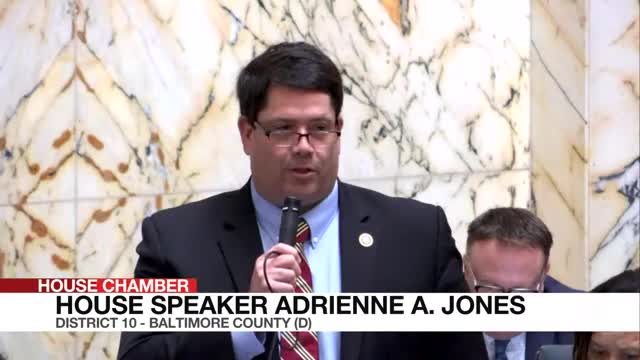
Summary
Delegates discussed definitions, complaint handling and remediation timelines in legislation that would require landlords to respond to tenant reports of harmful mold; members asked the sponsor and committee for details about definitions, third‑party testing, and applicability to different housing types.
Delegates debated and advanced a bill that would require landlords to provide information to tenants about mold, handle tenant complaints and conduct assessments, with the Department of the Environment (MDE) to issue regulations on which mold requires remediation.
A committee chair explained that the bill defines mold in the statutory text and instructs MDE to develop standards that identify harmful mold and prescribe remediation steps. "Mold is defined in the bill...and what the bill does is it requires that the landlord provide information to tenants about mold," the committee chair said.
Members asked how the complaint and remediation system would work in practice. The committee chair said a landlord’s internal assessment does not always require a third‑party test; if a tenant disputes a landlord’s determination, the tenant may pursue landlord‑tenant court and courts typically rely on expert reports. Delegates also asked whether the rules would apply to colleges, nursing homes, public housing and military housing; the sponsor said the bill applies where a landlord‑tenant relationship exists and that public housing would be covered.
Lawmakers pressed on timing and procedure: the bill requires an assessment after a tenant complaint and sets a statutory period for landlord response; the committee chair clarified that the assessment does not automatically require a third‑party test and that MDE will issue regulations to define when remediation is required.
After questions and the adoption of committee amendments, the House ordered the bill to third reading.
The bill clarifies obligations for landlords when tenants raise mold concerns and leaves technical standards (when remediation is required and what steps to take) to MDE regulation. Delegates asked staff to ensure the fiscal and implementation impacts — such as whether third‑party testing will be mandated — are clarified for later stages of the bill.