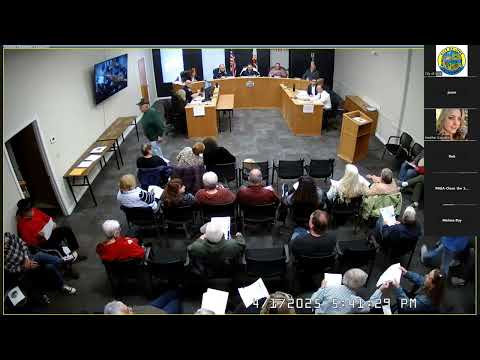
Public commenters press Ione council over censure policy, alleged emails and Brown Act concerns
Loading...
Summary
At a special Ione City Council meeting April 1, multiple residents raised concerns about a newly implemented censure policy, alleged private emails involving a council member and possible Brown Act violations; several speakers called for resignations and for the council to follow due process.
At a special meeting April 1, residents used the public-comment period to criticize a recently adopted censure policy, to urge the resignation of a council member over alleged email exchanges, and to raise potential Brown Act violations.
“Thank you, mayor and council members. I am against censure... I think that council member Lisonbee Lafane should resign,” said Gary, a resident who spoke during the public-comment period. Multiple other speakers referenced the same packet of emails and questioned whether council members had discussed the matter outside a noticed meeting.
The concerns about possible violations of the Ralph M. Brown Act were voiced by Marsha Edick, who identified herself as a Castle Oaks homeowner. Edick read from an audio record and said she was “wondering, how is it that Stacy, Jodie, and Jack came to a decision to call such a meeting to censor Allison and get it put on the agenda unless there had been a meeting or a discussion beforehand, which would be a violation of the Brown Act.”
Other commenters pressed similar themes. One public commenter said the city attorney had applied a “reach back or retroactive action” in implementing the censure policy and invoked the U.S. Supreme Court and the California Constitution in arguing the process violated procedural due process protections. That commenter also cited staff reports dated Feb. 18 and March 18 as the documents framing the council’s action.
Several speakers tied the censure discussion to local disputes involving past employees and litigation. Marsha Edick and others referenced Laurie McGraw and a prior criminal case and potential civil litigation; other comments accused council members of making public accusations without sufficient evidence.
Mayor Rhodes paused the public comment period at several points to remind speakers of time limits. Council members did not take formal action on the censure policy during the special meeting; the comments occurred during the public-comment portion of the session.
Why this matters: The Brown Act requires that public business be conducted in meetings open to the public, and allegations of off-agenda deliberations or retroactive application of policy can trigger legal challenges and additional costs. Public commenters repeatedly tied the dispute to local governance and potential litigation costs for the city.
The council moved into a closed session later in the meeting. No formal censure vote or final action on the censure policy was reported out during the special meeting.
Looking ahead: The public comments signaled continued community attention to the censure policy, email disclosures and process concerns. Any formal council actions that respond to these complaints or that implement administrative hearings would be reflected in subsequent agendas and minutes.