Get Full Government Meeting Transcripts, Videos, & Alerts Forever!
Get email alerts on the Special Education topic
No spam. Unsubscribe anytime.
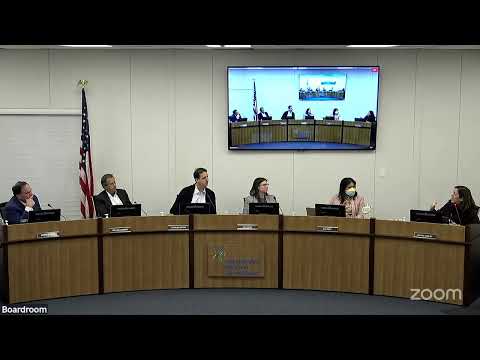
Special education director outlines priorities: reading, staffing, and language‑affirming assessments
Summary
Special Education Director Frank Salvaggio presented a Year‑1 entry plan that prioritizes reading instruction, staff hiring, parent advisory engagement, and adoption of a language‑affirming patterns‑of‑strengths‑and‑weaknesses assessment approach to reduce inappropriate special‑education placements.
Frank Salvaggio, the district’s special education director, told the board Thursday that the district serves 617 students in special education and is seeing rapid growth in students identified with autism (141 students), a trend he expects to continue.
Salvaggio framed his “Year‑1 Entry Plan” around improving outcomes through stability, consistent instructional practice for “all” students, strengthened early reading instruction, better attendance outreach, and targeted supports for neurodiverse students. He said about 45 new students with disabilities enrolled since school started; 22 of those new enrollees required a 1:1 instructional aide on their IEPs, stressing the impact of federal funding shortfalls on local budgets.
Salvaggio proposed training the district school psychologist in a language‑affirming assessment model — “patterns of strengths and weaknesses” — to replace the discrepancy model used for identifying learning disabilities. He said the new approach will reduce inappropriate placements of English learners in special education and, in some cases, identify students who previously were missed under the old model.
To raise reading outcomes for students with disabilities, Salvaggio said the district will free special educators at three sites to provide evidence‑based reading intervention, increase embedded instructional assistant supports in classrooms, and run a dyslexia clinic this summer. He also announced plans for “social resource programs” at two sites to support executive functioning and sensory needs for students who primarily require behavioral or sensory supports rather than academic remediation.
Board members asked about alternatives to placing students on IEPs, and Salvaggio emphasized that students can receive supports under Section 504 (he referred to “504” plans) and through incidental‑benefit placements in special education classrooms when appropriate. He also said the district has hired five credentialed special‑education teachers for next year and is working to reduce disproportionate identification of Hispanic/Latino students and English learners in special education.
Public commenters, including a former board president and other community members, praised the presentation and commended HR for recruitment efforts. Trustees thanked Salvaggio for a “clear and succinct” presentation and expressed support for planned changes.
Salvaggio said so far this year the district had no due‑process or state complaints related to special education and that he is establishing monthly parent advisory meetings (one in English and one in Spanish) beginning after spring break.
He closed by saying he believes the district has the conditions to improve outcomes and urged “courage” to pursue the proposed disruptive innovations.