Get Full Government Meeting Transcripts, Videos, & Alerts Forever!
Get email alerts on the Workplace Drug Policy Public Safety topic
No spam. Unsubscribe anytime.
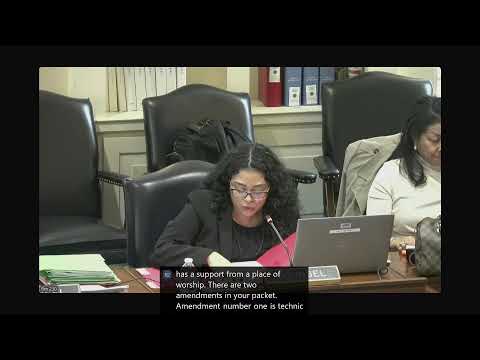
Committee debates medical-cannabis protections for fire and rescue employees; members split on impairment and CDL issues
Summary
House Bill 1408, which seeks to bar employers from disciplining fire and rescue public-safety employees for possession of a valid medical-cannabis certification or a positive test while holding a valid certification, drew extended debate in committee over impairment testing and CDL implications.
House Bill 1408 would prohibit an employer of a fire and rescue public-safety employee from disciplining, discharging or otherwise discriminating against the employee on the basis of possession of a valid written certification for medical cannabis or a positive test for cannabis metabolites while holding a valid certification card. An amendment in the committee packet alters provisions related to on-duty impairment: it requires that if a fire and rescue public-safety employee reports for work while impaired by cannabis, the employer must report the incident to the State Emergency Medical Services Board.
Committee members expressed divergent views. Opponents pressed concerns about commercial drivers’ license (CDL) rules and workplace safety. Delegate Adams said he opposed the bill, arguing that “people that drive these fire trucks have to have a CDL” and that allowing medical cannabis use could conflict with federal CDL testing and safety rules. Others pushed back, saying firefighters should be allowed to use medical cannabis off duty for treatment of ailments and that supervisors already are responsible for judging impairment. One speaker who identified their county experience said the county had “2 infractions of someone actually showing up to work under the influence of either alcohol or medical marijuana” over a decade, and argued the bill does not change employer authority to discipline on-the-job impairment.
The committee’s discussion shows attention to federal CDL rules and questions about whether local fire apparatus require CDLs; a staff or counsel speaker said firefighters’ vehicles are in some cases exempt from CDL requirements. The transcript records extended debate about how immediate testing for cannabis impairment differs from tests for alcohol and the difficulty of real-time testing for some drugs.
Outcome: The transcript records protracted debate and requests for additional clarification about CDL interactions and testing. The record does not contain a full roll-call vote for final passage of the bill in the excerpt provided. The chair and members discussed the bill’s history and stakeholder notices and attendees said they would “vote it and see where it sticks” in some cases. The transcript therefore documents discussion, an amendment relating to reporting impaired employees to the State Emergency Medical Services Board, and mixed member views; it does not show a definitive committee final passage roll-call in the provided excerpt.
Why it matters: The bill would create an employment protection for certified medical-cannabis patients who work in public safety while also creating a statutory reporting requirement for alleged on-duty impairment. Members asked whether that protection would conflict with federal CDL rules and whether adequate impairment-testing tools exist for cannabis.
Next steps: The committee did not record a conclusive roll-call in the excerpt. Staff and members discussed stakeholder input and potential follow-up; the committee may schedule further action or a vote after clarifying CDL and testing conflicts.