Lifetime Citizen Portal Access — AI Briefings, Alerts & Unlimited Follows
Integrated Transit Authority outlines train, bus and ferry plans; four new ferries funded 100% by federal grants
Loading...
Summary
Autoridad de Transporte Integrado (ATI) told the House budget committee it is preparing to receive train assets, roll out a new fare system pilot, expand services for riders with disabilities and is acquiring four federally funded passenger ferries for Vieques and Culebra.
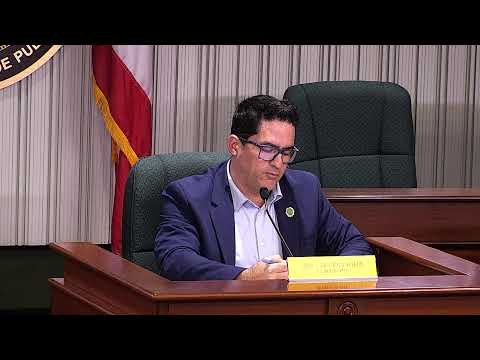
Josué L. Menéndez Agosto, executive director of the Autoridad de Transporte Integrado de Puerto Rico (ATI), told the House Commission on Hacienda y Presupuesto that ATI is preparing to receive transferred assets for the Tren Urbano and intermodal services and is advancing several modernization efforts across rail, bus and maritime modes.
Menéndez detailed system components: the Tren Urbano (17.2 kilometers with 16 stations), a bus network (about 32 routes in the metropolitan area plus intermunicipal lines), intermodal terminals and maritime ferry services connecting Ceiba with Vieques and Culebra as well as metropolitan water routes. He said the authority’s mission is to develop an integrated multimodal system that makes public transport a first choice for mobility in Puerto Rico.
Ferries and maritime service ATI witnesses told the committee that four new large ferries are under construction and will be covered 100% with federal funds; the agency estimated unit costs at roughly $17–18 million per vessel. Menéndez said the new ferries will expand capacity and standardize the fleet; ATI currently operates state‑owned ferries and leases additional vessels while four new vessels are built.
Fare system and ridership Menéndez said the authority has installed new ticketing devices and is in a pilot phase to test mobile and contactless payments; full transactions will begin after the pilot concludes. He also told members that making public transit more accessible has been a priority: the Ya Mi Viaje paratransit program is expanding fleet capacity and the Autoridad Metropolitana de Autobuses (AMA) said it will add seven vehicles to increase service frequency for that program.
Operational funding gap and follow‑ups Menéndez told the committee ATI faces an operating shortfall in the coming budget and cited an approximate variance of about $41–42 million that the authority needs to cover operational expenses. Representatives asked for details about accounts receivable and payable and asked ATI and AMA to produce those financial breakdowns within five days. Committee members also requested a five‑day report on the status and maintenance history of state‑owned ferries and the procurement invoices for the new vessels.
Service problems and contractor oversight Lawmakers raised localized performance problems: several representatives described intermittent service on the Cataño–San Juan maritime route and said the private operator’s communications and schedule compliance have caused rider disruptions. Members asked ATI to investigate and provide the committee with records of service interruptions; representatives also asked whether contract terms, operator penalties and oversight mechanisms are being enforced.
Other operational items - Menéndez said that since March 1 the public‑fare policy (temporary free fare program in some services) contributed to more than 5 million passenger boardings across the public transport system. - The committee discussed electric vehicle charger projects funded by federal competitive grants (the agencies said Puerto Rico received a roughly $12.3 million formula allocation and won an additional $51 million in competitive awards for charging infrastructure and that some awards are under federal review after a change in administration). ATI and AMA said they are in continuous contact with federal agencies to secure approvals.
Ending The committee used its time to probe operational gaps, request multiple financial and service status reports within five business days, and to press for documentation of ferry fleet condition, procurement, and operator compliance. ATI and AMA officials said they would supply the requested information and continue coordination with the committee.