Get Full Government Meeting Transcripts, Videos, & Alerts Forever!
Get email alerts on the Public Safety topic
No spam. Unsubscribe anytime.
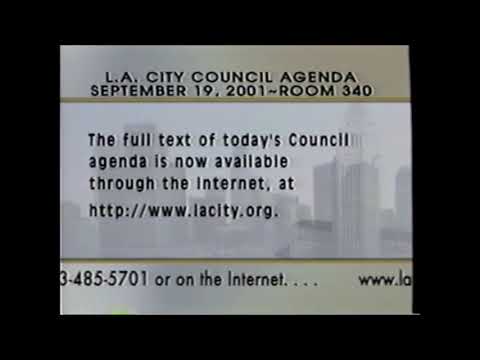
Los Angeles officials brief City Council on airport security and citywide response after Sept. 11 attacks
Summary
Los Angeles World Airports, police, fire and emergency-preparedness leaders told the City Council on Sept. 19 that airports had reopened with stricter screening, the city deployed extra officers and firefighters, and the city is seeking federal help to cover new security costs estimated in the millions per day.
Los Angeles World Airports (LAWA) and city public-safety leaders told the City Council on Sept. 19 that airport operations were restarting under much tighter security and that the city’s emergency response — including police, fire and the Emergency Operations Center — had been activated and remains on heightened alert following the Sept. 11 terrorist attacks.
Why it matters: Los Angeles is a major air-transport hub and a local economic engine. The city’s officials described immediate security shifts that affect travelers, businesses and city revenues, and they said they will press the federal government for funding and regulatory changes.
LAWA executive director Lydia Kennard said the agency implemented emergency plans immediately after the attacks, ordered terminal evacuations and coordinated wide security sweeps, including canine teams. "LAX and Ontario were among the first commercial airports in the country to be certified to be reopened," Kennard said, and added that the agency reopened with “limited airline operations” while complying with new federal security requirements.
Kennard listed measures now in force at Los Angeles airports: only ticketed passengers or those with ticket confirmations are permitted past checkpoints; curbside baggage check and skycap curb-side services were suspended; knives and other cutting instruments are banned from carry-on; and parking and vehicle access in LAX’s central terminal area were restricted. She also told council members that LAWA is facing an immediate financial hit: "LAWA is presently losing approximately $1,800,000 per day," she said — a figure she attributed to higher security costs and declines in parking, landing fees and concessions.
The Los Angeles Police Department described an expanded security posture centered on airports and other high-risk locations. A department spokesperson said the LAPD fielded a special operations group that included Metropolitan Division, the bomb squad and anti-terrorism teams; the department also deployed roughly 100 officers to LAX and said it would continue to provide supplemental airport security. The LAPD reported a spike in bomb threats in the days after Sept. 11 and said it is maintaining an elevated operations center to monitor intelligence and coordinate deployment.
Fire Department officials said they activated a national urban search-and-rescue task force and sent personnel to New York. Fire Chief Gilba Machri said the department’s urban search-and-rescue personnel were nationalized by FEMA and remain on-scene, and that the department also sent chaplains and grief counselors to assist victims’ families.
Emergency-preparedness staff described the city’s interagency coordination. Ellis Stanley of the Emergency Preparedness Department said the city’s Emergency Operations Center (EOC) was activated within hours, brought departments together, and coordinated public messages, donation sites and behavioral-health supports for affected employees and residents.
Federal asks, policy ideas: LAWA said it will press for federal funding and regulatory changes to stabilize airports and protect airport workers and the traveling public. Kennard said LAWA is exploring whether passenger and baggage screening should be federalized — a policy many airports and airlines have urged since the attacks — and the airport is preparing to request federal aid to offset steep revenue losses and new security capital costs.
Council reaction and next steps: Council members praised first responders and asked for follow-ups on funding requests and on how city departments will sustain longer-term security and intelligence work. The council approved a short, procedural resolution to add the briefing to the agenda and receive the staff reports; those procedural votes were recorded by the clerk as passing (findings on the emergency briefing were adopted on the record).
What’s next: City leaders said the EOC and department operations centers will remain active while the national threat environment evolves. LAWA and the Department of Airports will continue to refine passenger procedures, and the mayor’s office and CAO will press state and federal partners for funding and legal changes to support sustained airport security and operations.
(Shorter, practical details) How travel changed at LAX and Ontario on reopening: terminals were searched and cleared; canine sweeps were used; curbside check-in and some public parking areas in the central terminal area were closed; passengers should expect longer security lines and must arrive with tickets, and some concessions and parking-related revenues will be reduced until operations normalize.
Ending note: City officials stressed they will continue to coordinate with federal partners, including the FAA, FBI and DHS, and will brief the council on new funding requests and policy options as they develop.