Get Full Government Meeting Transcripts, Videos, & Alerts Forever!
Get email alerts on the Municipal Finance topic
No spam. Unsubscribe anytime.
Council approves $90 million sanitation equipment bonds; members ask for debt-impact transparency
Summary
The council approved a $90 million bond issuance for sanitation equipment and recycling containers; members requested clearer debt-impact materials and a debt-impact statement consistent with the city charter for future issuances.
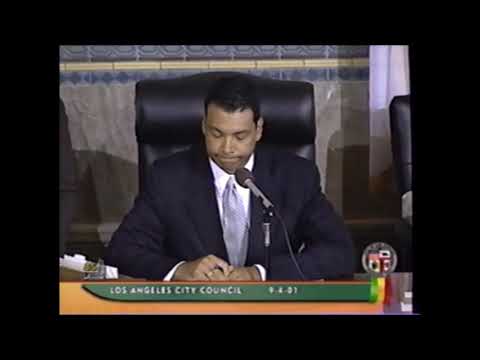
The Los Angeles City Council voted to approve a $90 million bond issuance to purchase sanitation equipment including automated recycling containers and collection vehicles, and to finance yard improvements for the sanitation department.
Councilmember (Miss) Hahn called the item special and asked how the bonds would be repaid and whether a debt-impact statement consistent with the city charter would be provided. Mario Vasquez of the City Administrative Officer told the council the bond's debt service will be repaid from revenues of the sanitation equipment charge and that the issuance would therefore not affect the general-fund debt ratios. Vasquez said debt service for this issuance will increase by about $2.3 million in fiscal year 2002–03 and that remaining revenues after debt service are used for associated costs such as maintenance.
Council members asked for improved transparency: members requested that future bond actions include the customary debt-impact chart showing cumulative general-fund obligations and that staff provide a debt-impact statement consistent with the new city charter for any issuance that affects the general fund. The council agreed to provide the chart and debt-impact statements going forward.
The council approved the item by roll call (13 ayes) after discussion about equipment needs, prior bin wear, and the importance of automated/recycling containers for certain communities.