Get Full Government Meeting Transcripts, Videos, & Alerts Forever!
Get email alerts on the Dir It And Workers Compensation Workload topic
No spam. Unsubscribe anytime.
Department of Industrial Relations seeks IT modernizations and extra staff as workers' compensation workloads rise
Summary
The Department of Industrial Relations requested multi-year funding for Cal/OSHA data modernization and workers' compensation electronic adjudication modernization, and sought positions to address workload in audit and the Subsequent Injury Benefit Trust Fund as claims and payment volumes have surged.
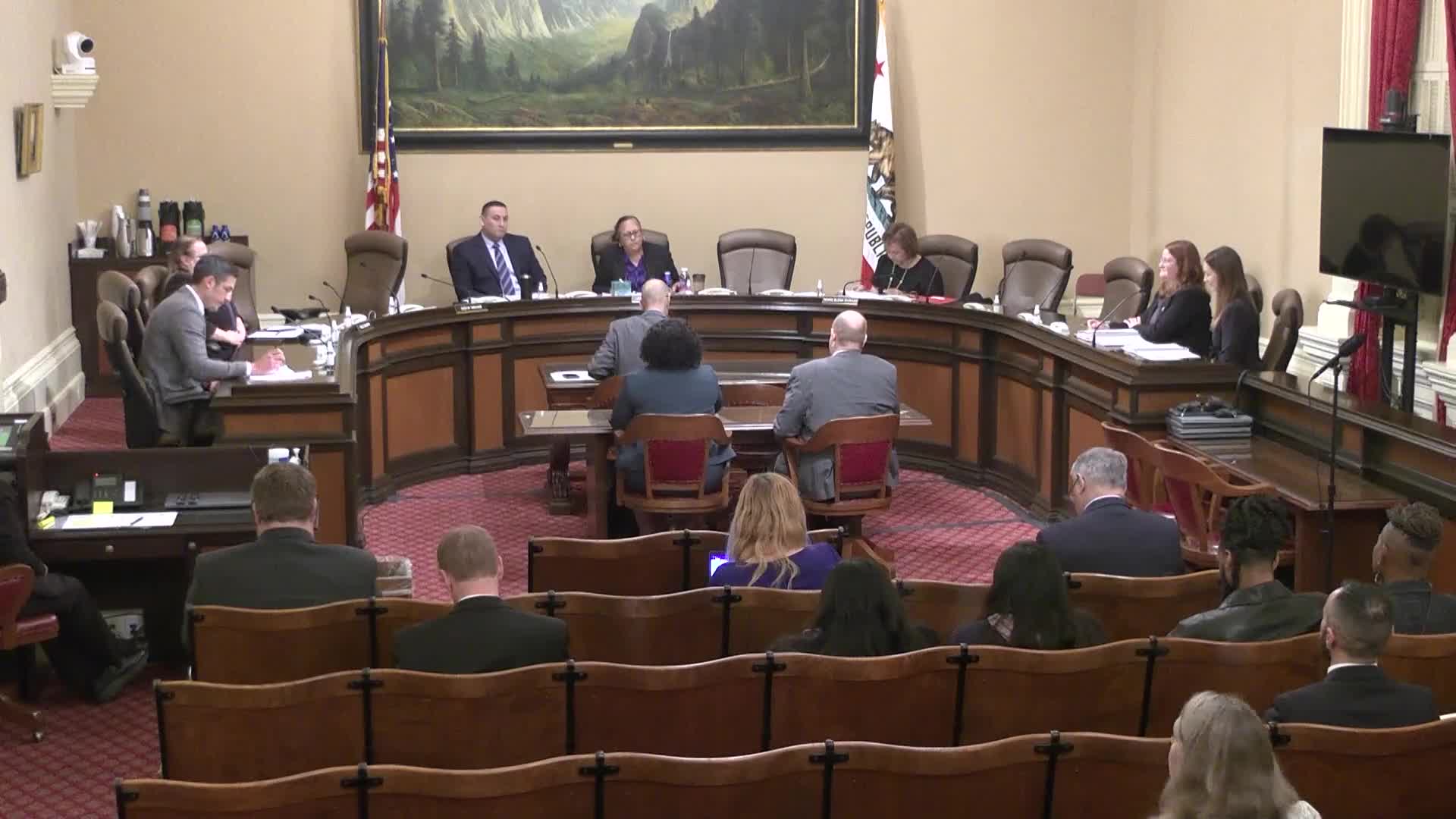
The Department of Industrial Relations (DIR) presented multiple workload and IT modernization requests to the subcommittee, including: Cal/OSHA data modernization, a replacement for the Division of Workers' Compensation's Electronic Adjudication Management System (EAMS), expansion of the audit and enforcement unit, and additional staff for the Subsequent Injury Benefit Trust Fund (SIBTF) workload.
Josh Iverson, DIR chief financial officer, summarized two IT requests: a 2025-26 request of $18.2 million from the Labor and Workforce Development Fund to build a new Cal/OSHA case-management and data system that consolidates documents and automates submissions, and a $25.8 million request from the Labor and Workforce Development Fund to modernize EAMS (which the department said currently manages roughly 8 million cases and 96 million documents on 16-year-old technology).
George Parasoto (Division of Workers' Compensation administrative director) described workload pressures in the audit and enforcement unit and the Subsequent Injury Benefit Trust Fund. DWC said its audit unit conducts periodic performance review audits (par audits) and full compliance audits; due to rising audit failure rates, increased appeals, and carryover workloads, the unit needs additional staffing to comply with Labor Code sections 129 and 129.5. The audit unit currently averages about 39 PAR audits and 52 other audits per year but faces substantial carryover and litigation that consumes staff time.
On SIBTF, Parasoto explained the program (created in the 1950s to encourage hiring of disabled veterans) pays for additional lifetime compensation when a pre-existing disability combines with a workplace injury to create a higher permanent-disability level. DIR reported a dramatic increase in SIBTF liability and caseload: RAND estimated the fund's liability may have grown substantially, DIR cited weekly payments as high as $18 million and said caseloads rose from roughly 2,500 cases per year with average case cost in the hundreds of thousands. DIR requested $2.7 million and 15 positions for 2025-26 (with additional requested amounts for 2026-27) to reduce backlogs and accelerate case review.
Chaz Alamo of the LAO indicated no concerns with DIR's specific workload and IT BCPs but urged legislative oversight; the LAO noted RAND's finding of very large long-run potential liabilities for SIBTF and recommended the Legislature study program design, given the fund's rapid growth and its assessment-based employer funding mechanism.
The subcommittee acknowledged the complexity and fiscal significance of the SIBTF trend and indicated further review and oversight would be needed in the budget process.