Get Full Government Meeting Transcripts, Videos, & Alerts Forever!
Get email alerts on the Fundraising Naming Rights topic
No spam. Unsubscribe anytime.
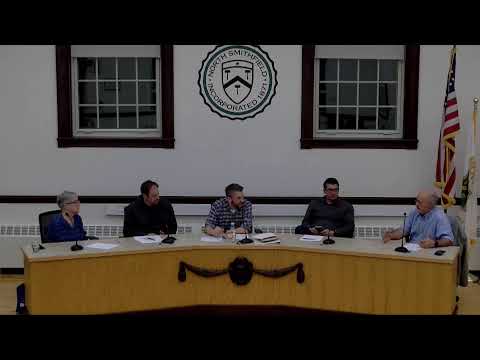
North Smithfield committee discusses donor tiers, naming rights and possible 501(c)(3) for community center fundraising
Summary
Committee members reviewed naming-rights options and tiered sponsorship models, discussed examples from other towns and recommended further work to set targets once the project’s final cost and funding gap are known. Members also proposed consulting the Heritage Association and exploring a nonprofit vehicle to manage donations.
A North Smithfield project committee discussed options for fundraising, naming rights and sponsor tiers to close a gap between federal grant money and the estimated cost of the proposed community center.
Committee members reviewed several approaches: tiered donor levels tied to historical names or village names, room naming for principal spaces, engraved bricks on the patio, and a general donor plaque that would list contributors by tier or alphabetically. Members also discussed an example from Sharon, Massachusetts, where naming tiers and specific room sponsorships have been used to raise funds.
“Do we have a clear picture of the project cost? What do we have currently? What does it cover? And what is the gap we’re trying to make?” a committee member asked, urging the group to define a fundraising target before finalizing tier levels.
Members summarized known grant commitments discussed during the meeting: $4 million referenced from former Representative Cicilline for building costs and $1 million from Senator Reed described as intended for exterior work; committee members said additional town or grant funding remains under discussion and that a final fundraising target depends on the design-development cost estimate.
The group debated whether to publish specific dollar amounts alongside donor names. Several members favored tiered recognition—examples discussed included top tiers at six figures down to small-donor options such as engraved bricks—while others said a general plaque or listing might be more inclusive.
Committee members proposed reserving naming rights for a limited set of principal spaces (for example, the main multipurpose room, the kitchen and the entry lobby) and using lower-cost opportunities such as patio bricks or benches for smaller donors. They also discussed creating a 501(c)(3) or partnering with existing nonprofits to provide donors with tax-deductible giving and to set up a restricted fund for building maintenance or future enhancements.
“We could aim high,” one member said, urging the committee to include a marquee level for significant donors while retaining options for smaller community donations. The committee agreed to refine the recommended framework and bring a more concrete proposal to the Town Council for feedback.
Members identified next steps: draft a fundraising framework tied to a defined budget gap, consult successful local groups (for example, the Heritage Association) about mechanisms used elsewhere, and consider administrative structures for accepting and safeguarding donations.