Get Full Government Meeting Transcripts, Videos, & Alerts Forever!
Get email alerts on the Mine Action Libya topic
No spam. Unsubscribe anytime.
UN mine-action chief in Libya reports hundreds of casualties since 2020, notes clearance progress and funding gaps
Summary
UN mine-action staff in Tripoli said Libya continues to suffer from explosive remnants of war, reporting more than 200 accidents and over 300 victims since May 2020 while highlighting training, clearance work and inconsistent funding.
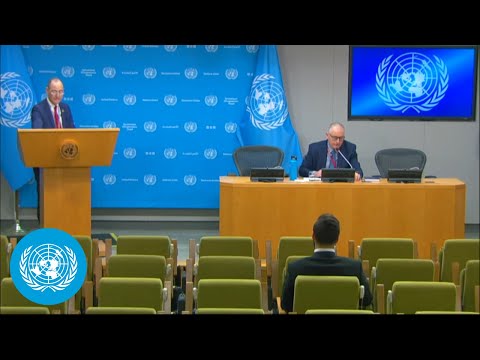
At a United Nations press briefing on April 3, the UNMAS chief for Libya described continuing threats from explosive remnants of war across Libya and urged support for national institutions and funding for sustained clearance.
Fatma Zuriga, identified at the briefing as representing the UN mine-action programme in Libya, said "between May 2020 and early 2025, more than 200 accidents were recorded, resulting in over 300 victims, including 125 deaths," and highlighted 2024 figures of 19 incidents and 43 victims. She said a child had already died this year from explosive contamination.
Zuriga described the range of threats in Libya as including anti-personnel and anti-vehicle mines, unexploded ordnance and improvised explosive devices, and said damaged munitions storage areas and destroyed bunkers still hold hazardous remnants. She named contaminated sites including Grama and said some areas require clearance operations that have been pending for years.
Zuriga said UNMAS and partners have trained Libyan personnel and carried out risk-education sessions since February; she noted collaboration with the Libyan Mine Action Center, military engineering units, the national safety authority and the interior ministry. She said training included women among trainees but did not provide a definitive, verifiable total for the number of officers trained (the transcript included an unclear figure). She described recontamination of cleared areas, insecure conditions that hamper operations and inconsistent funding as the main ongoing challenges.
"Mine action in Libya is not just a technical task. It is a humanitarian, and peacebuilding imperative," Zuriga said, stressing that clearance and risk education help save lives and enable returns to homes.
The briefing materials include a fact sheet on Libya that UNMAS said will be shared with journalists; officials invited follow-up questions and reiterated that longer-term planning depends on predictable funding and security conditions.