Get Full Government Meeting Transcripts, Videos, & Alerts Forever!
Senate panel hears hours of testimony as lawmakers weigh changes to Minnesota State Grant amid $200M+ shortfall
Summary
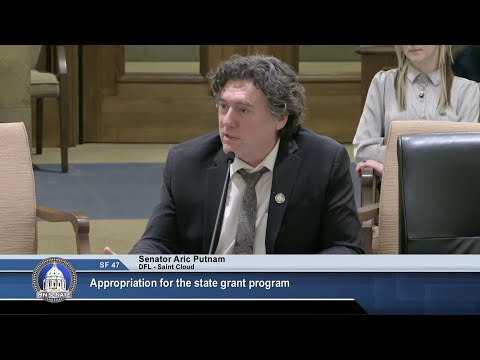
The Minnesota Senate Higher Education Committee met in a lengthy hearing to consider proposals to address a projected shortfall in the Minnesota State Grant program, hearing testimony from students, system officials, unions and state analysts about how changes would affect low‑income, first‑generation and student‑parent borrowers.
The Minnesota Senate Higher Education Committee met in a lengthy hearing to consider proposals to address a projected shortfall in the Minnesota State Grant program, hearing testimony from students, system officials, unions and state analysts about how changes would affect low‑income, first‑generation and student‑parent borrowers.
Committee members and witnesses gave varying estimates of the shortfall, with figures cited in committee materials and testimony ranging from roughly $211 million to about $240 million for the upcoming biennium. Lawmakers discussed a mix of permanent parameter changes and temporary rationing measures to close the gap.
Why it matters: The State Grant is a primary need‑based aid program for Minnesota students; changes to its formulas determine which students qualify and how much they receive. Witnesses warned that certain technical changes could disproportionately reduce awards for independent students and student parents while others argued the largest savings come from addressing tuition and fee drivers.
Committee discussion and proposals
Legislators debated several amendment packages (identified in committee as A‑9, A‑1, A‑2, A‑7, A‑10 and A‑4) that aimed to reduce program spending or raise revenue. Common proposals included lowering the Living and Miscellaneous Expense (LME) allowance from 115% to 110%, reducing lifetime eligibility from 180 to 120 credits, adjusting assigned family responsibility (AFR) modifiers, restoring earlier treatment of the student aid index (SAI), and changing the application deadline to 30 days after the start of term.
Senators pressed the Office of Higher Education (OHE) and university systems for clearer estimates and impacts on subgroups. OHE staff and campus financial aid…
Already have an account? Log in
Subscribe to keep reading
Unlock the rest of this article — and every article on Citizen Portal.
- Unlimited articles
- AI-powered breakdowns of topics, speakers, decisions, and budgets
- Instant alerts when your location has a new meeting
- Follow topics and more locations
- 1,000 AI Insights / month, plus AI Chat