Get Full Government Meeting Transcripts, Videos, & Alerts Forever!
Get email alerts on the Priority Admissions Panel topic
No spam. Unsubscribe anytime.
Panel formed to address delays for people deemed incompetent to stand trial; review panel gets sunset date
Summary
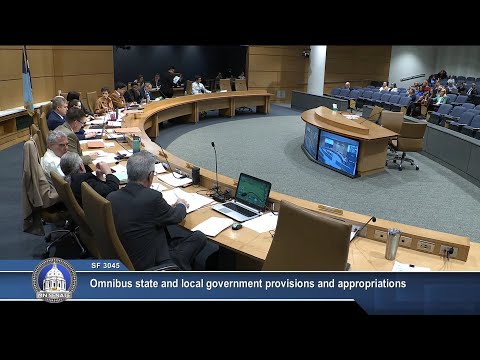
Senate File 2902 would continue a priority admissions review panel to address waits for state hospital beds for defendants ruled incompetent to stand trial; committee adopted a sunset amendment (Dec. 31, 2030) and recommended the bill, as amended, for referral to the Human Services Committee.
Senate File 2902, establishing or continuing a priority admissions review panel to examine delays in admitting people deemed incompetent to stand trial to state hospital or appropriate care settings, was amended to include a sunset date and recommended to pass and be referred to the Human Services Committee.
Senator Scott Dibble introduced the bill and Senator Scott Abeler described the practical problem: rising numbers of defendants found incompetent to stand trial and extended waits for hospital beds. Sue Abner Holden, executive director of NAMI Minnesota, told the committee the numbers of people deemed incompetent and committed “has risen exponentially, not just in Minnesota, but across the country,” and that the panel brings together courts, counties, hospitals, advocates, sheriffs and providers to pursue solutions.
Committee discussion included concern that the panel might continue indefinitely; members adopted an oral amendment to add an expiration of December 31, 2030, for the priority admissions review panel. After the amendment was adopted, the committee recommended the bill, as amended, to pass and referred it to the Human Services Committee for further work, including county-level engagement and follow-up reporting slated in the bill’s provisions.
The sponsor and advocates said the panel’s goal is to produce actionable recommendations to increase capacity and improve placement pathways for people needing hospital-level care rather than criminal detention while awaiting competency restoration.