Get Full Government Meeting Transcripts, Videos, & Alerts Forever!
Get email alerts on the Clean Cars Trucks Policy topic
No spam. Unsubscribe anytime.
House advances bill delaying penalties under Maryland''s advanced clean cars and clean trucks programs
Summary
Lawmakers adopted amendments to a bill that pauses some enforcement of Maryland's advanced clean cars and trucks programs pending further assessments and manufacturer agreements; the House special-ordered the measure for later consideration.
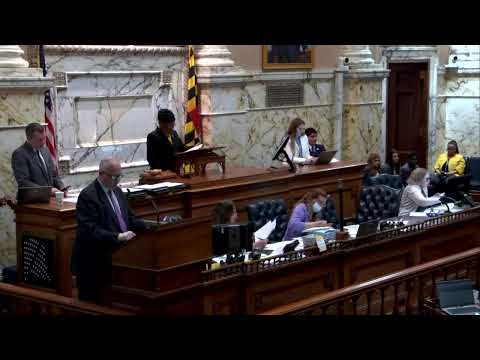
The Maryland House of Delegates adopted amendments to House Bill 1556, which alters the state's advanced clean cars and advanced clean trucks programs. The body adopted technical and substantive amendments on the floor and approved the favorable committee report as amended. Members also placed the bill on special order for continued consideration at a later time.
Under the adopted amendments, the Department of the Environment (MDE) is prevented from implementing the advanced clean trucks program until a needs assessment and deployment plan is completed (the transcript indicates the statutorily required needs assessment due at the end of 2024 had not been finished). The amendment also ties civil penalties against manufacturers for failing to meet clean cars standards to whether manufacturers representing a defined share of the market have reached agreement on the standards by certain deadlines; if no agreement is reached before January 1, 2026, penalties for model year 2027 would not be applied, according to floor explanations.
Delegates asked detailed questions about how the rules would affect manufacturers, dealers and consumers. A member who identified themselves as an EV owner pressed the floor leader on whether EV-only manufacturers had testified; the floor leader said most vehicle manufacturers who testified represent both internal-combustion and electric vehicle lines and reported Rivian provided written testimony opposing the bill. Lawmakers also discussed credits that could reduce the effective percentage requirement under the clean truck standard (the speaker quantified a possible reduction from 43% to around 30% under some credit assumptions).
Floor remarks clarified that penalties under the rules are assessed against manufacturers, not dealers, and that the bill aims to avoid a situation where manufacturers restrict ICE vehicle supply to dealers to avoid penalties, which could limit consumer choice. Delegates raised infrastructure and consumer-demand concerns during the exchange. After amendments passed, the House set the bill as a special order to be taken later in the session rather than completing final passage that day.
The transcript records the adoption of amendments and the favorable report as amended; the clerk announced the amendments had been adopted and the favorable report was accepted. The bill was special-ordered for subsequent consideration.