Get Full Government Meeting Transcripts, Videos, & Alerts Forever!
Get email alerts on the Criminal Justice Second Look topic
No spam. Unsubscribe anytime.
House approves 'Second Look' post-conviction review bill after heated debate
Summary
The Maryland House of Delegates passed legislation establishing a post-conviction review process called the Second Look Act after extended floor debate over eligibility and victim protections.
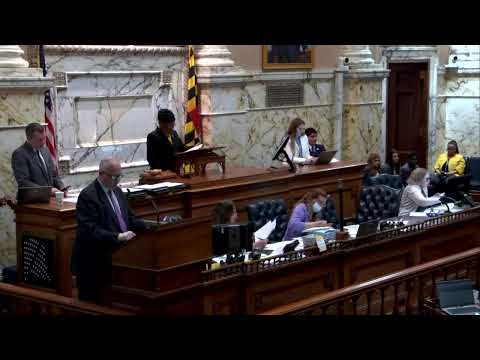
The Maryland House of Delegates passed House Bill (HB) 853, the Post-Conviction Review procedure commonly called the Second Look Act, after hours of floor debate and amendments. The bill passed on final third reading with the vote recorded as 89 in the affirmative and was declared passed.
Supporters described the measure as a remedy for convicted individuals whose sentences may now warrant judicial reconsideration. A delegate said the bill provides “a second look” for people who may be innocent or who received sentences under historical sentencing practices that are now considered excessive; supporters repeatedly invoked cases of exonerees who spent decades in prison as part of the floor debate.
Opponents said the bill risked releasing dangerous offenders and argued it would unfairly risk victims’ safety; several members cited examples of individuals who reoffended after parole as a reason to oppose the measure. Members also noted failed amendments they said would have provided additional protections for children and victims.
The bill’s proponents noted that the post-conviction review process under HB 853 places decisions before a judge in the jurisdiction of conviction rather than solely before a parole board. Supporters said that judicial review provides accountability because judges are elected and can be held accountable by voters. Opponents responded that the measure amounted to repeated opportunities to reduce sentences for people convicted of serious crimes.
On procedural votes during the floor debate, a motion to move the previous question passed, after which the House proceeded to final passage. The clerk recorded the final roll call and announced the bill had received a constitutional majority and was declared passed.
Members from both parties delivered extended floor remarks before the vote. Some described the bill as correcting miscarriages of justice and offering relief to wrongfully convicted people; others focused on public safety, victims’ rights, and whether existing remedies and review opportunities were already available. The final recorded result was 89 affirmative votes; the clerk declared HB 853 passed.