Get Full Government Meeting Transcripts, Videos, & Alerts Forever!
Get email alerts on the Parks Budget topic
No spam. Unsubscribe anytime.
MNCPPC parks and recreation FY26 budget seeks $387M; officials flag vacancies, fund balances and PAYGO shifts
Summary
Maryland-National Capital Park and Planning Commission staff and the Department of Parks and Recreation presented a FY26 operating request projecting $387 million across primary funds, highlighted large fund balances, workforce vacancies and a shift toward PAYGO capital transfers.
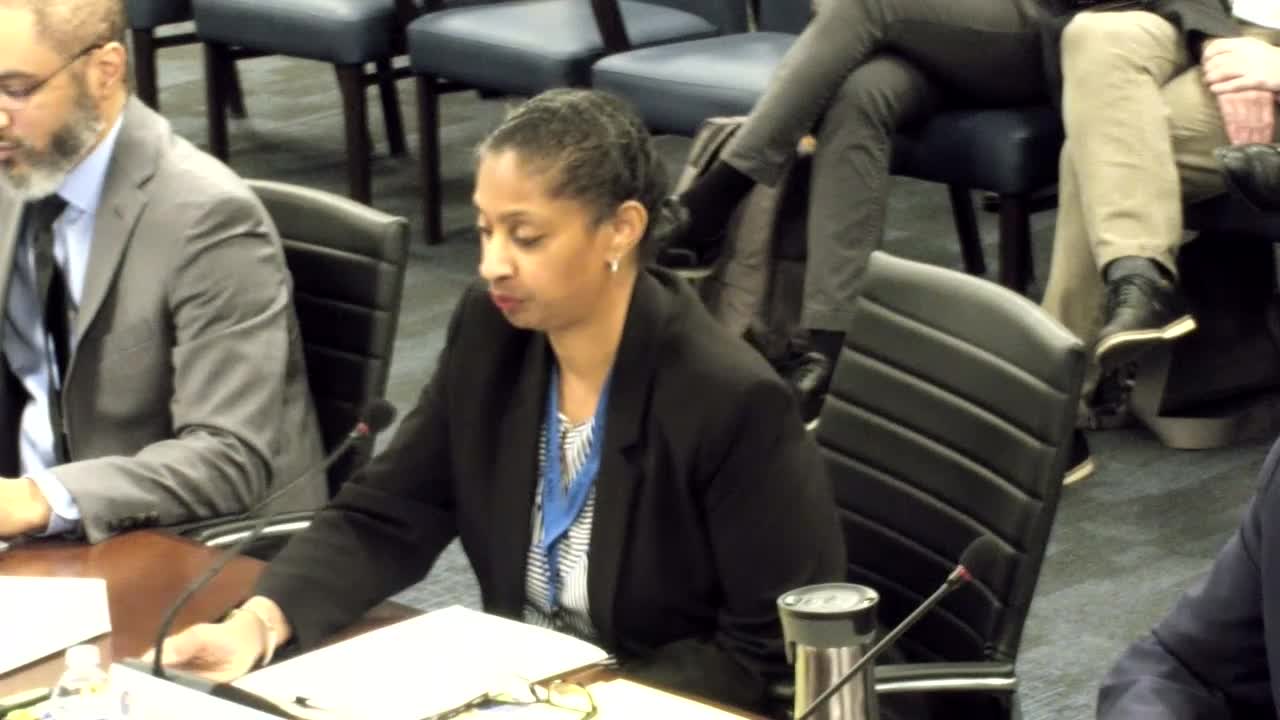
Maryland-National Capital Park and Planning Commission (MNCPPC) staff and the Department of Parks and Recreation briefed the PHED committee on April 3 about the Department’s FY26 operating budget request and related operational issues.
Staff review: County budget staff summarized the request and key context. MNCPPC’s FY26 proposal seeks roughly $387 million across park, recreation and enterprise funds, an increase from the current year’s adopted budget driven in part by personnel costs and planned transfers for capital financing. Eric Irving, who presented the staff review, noted that 57% of the proposed spending is for personnel costs (supporting roughly 1,300 career positions), and that the FY26 budget includes a marker for collective bargaining-related wage adjustments and an allocation to fund retiree post-employment benefits.
Irving and staff flagged two issues for the committee: persistent vacancies and historical “underspending” on personnel. MNCPPC reported nearly 200 vacant positions at the close of the prior fiscal year; those positions had been vacant an average of about 249 days (roughly eight months). Staff showed that adopted budgets have sometimes outpaced actual spending, which then creates fund balance that can be carried forward. MNCPPC reported park and recreation fund balances of roughly $175 million at the end of FY24 and projected year-end balances around $138 million in the current year (staff noted estimates may change as assessable base updates arrive).
Revenue and capital: Property taxes were identified as the primary revenue source — Park and Recreation funds together rely on property tax receipts for the vast majority of revenues — with user fees and investment income making up smaller shares. Irving noted that estimated interest income has moved from very conservative assumptions in prior years to larger projections this cycle because of higher fund balances. The FY26 budget plan proposes transfers totaling roughly $55 million for capital financing and a near-term shift toward using more PAYGO (pay-as-you-go) funds rather than bonds for smaller capital projects such as playgrounds; the department will present the capital improvement program on April 29.
Department presentation: Bill Tyler, director of the Department of Parks and Recreation, reviewed program highlights — including summer camp registration growth, inclusive and therapeutic recreation, adaptive-trail planning and tree-planting/forest stewardship efforts — and described priorities for FY26 that include branding and customer-service investments. The department told the committee about field-maintenance workloads and the operational case for routine field closures to protect turf quality.
Committee questions: Council members pressed the department on vacancy details (seeking a multi-year vacancy trend and the split between full-time and part-time vacancies), fund-balance projections and the tradeoffs between PAYGO and bond financing. Committee members also asked about expanded environmental stewardship and tree-planting capacity, senior programming and the department’s ability to staff summer camps and youth employment positions. Capital budget staff joined the briefing to explain differences among PAYGO capital outlays (vehicles/equipment), CIP transfers and debt-service categories.
Why it matters: The presentation framed FY26 as a relatively modest operating increase but highlighted structural issues — unspent appropriations carried forward into large fund balances, persistent vacancies that limit service delivery, and critical capital-financing choices — that the Council must weigh as it considers operating and capital priorities.
Next steps: MNCPPC will provide additional vacancy detail, multi-year fund-balance analyses and the FY26 capital improvement program when it returns to present the CIP.