Get Full Government Meeting Transcripts, Videos, & Alerts Forever!
Get email alerts on the Csst Gas Piping Study topic
No spam. Unsubscribe anytime.
House adopts study and restrictions on certain corrugated stainless steel tubing; bill aims to prevent future firefighter deaths
Summary
Delegates adopted amendments requiring a study of corrugated stainless steel tubing (CSST) and prohibiting certain non-arc-resistant jackets in fuel gas piping systems, directing the Department of Labor and State Fire Marshal involvement.
The House adopted committee amendments to a bill that would prohibit the distribution and use of non–arc-resistant jacketed corrugated stainless steel tubing (CSST) in fuel gas piping systems and direct a study of the issue by state agencies.
As amended, the bill prohibits distribution and use of specified CSST products and requires the Department of Labor and the Office of the State Fire Marshal to conduct a related study. The committee amendments also added reporting requirements and moved the measure forward to third reading.
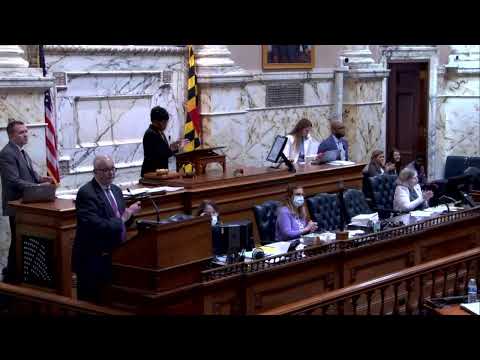
Floor exchange clarified the scope: the measure applies to natural gas piping systems in homes. A floor leader described the bill as a study primarily aimed at preventing deaths linked to lightning strikes that can damage certain tubing; she told colleagues the bill followed an earlier pairing of legislation prompted by a fatal incident involving firefighters.
"It was determined at the time that the lightning strike that the firefighters were attempting to put the fire out, could have been prevented if certain tubing was used in the home," the floor leader said, adding the current language ensures homes in Maryland are reviewed so tragedies are less likely to recur. Another member emphasized the provision is principally a study to determine which tubing types should be preferred.
The amendments were moved and adopted on the floor; the favorable report as amended was adopted and the bill was ordered passed to third reading.
Ending: The House adopted the amendments sending the bill on for third reading with the new study and prohibition language; members stressed that further technical work will occur in the state agencies named in the amendment.