Get Full Government Meeting Transcripts, Videos, & Alerts Forever!
Get email alerts on the Golden Valley Dorado topic
No spam. Unsubscribe anytime.
Golden Valley Dorado plan draws widespread opposition over water, roads and services
Summary
Mohave County planning staff presented a proposed general-plan designation change for the Dorado area in Golden Valley; residents and community organizers said the scale of the developer's proposal would strain water supplies, roads, emergency services and schools and urged the commission to revert the area to its prior designation.
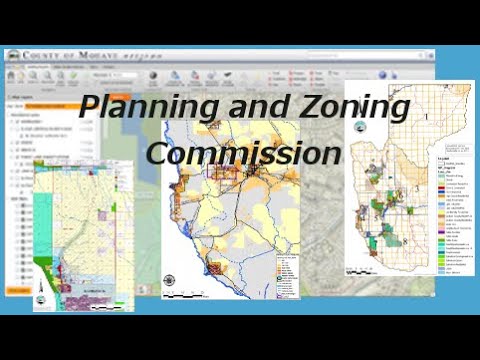
Mohave County's Planning and Zoning Commission heard hours of public comment on a proposed change to the county general plan for the Dorado area of Golden Valley that residents contend would allow far more homes than local infrastructure and water supplies can support. The discussion, which began during the commission's review of the countywide general-plan update, drew dozens of speakers on both sides and no formal vote.
Residents, a community organizer and multiple speakers identified development impacts as their primary concern, saying the land'use shift under the proposal would allow thousands of homes and a dramatic population increase over current zoning. "Growth really should be thoughtful, not explosive or exploitive," Golden Valley resident and organizer Danielle Oliket told the commission.
County staff said the session was for presentation and discussion, not final actions, and explained the regulatory steps that would be required before any housing is built. "Any subdivision with property sizes that are less than 1 acre in size are required to provide a centralized sewer system," a Development Services staff member told the commission, adding that utility providers must sign letters of capacity and required improvements must be completed before construction can begin.
What was proposed and why it matters
The area in question is currently zoned predominantly for large agricultural residential parcels under the county's 2015 general plan. Speakers at the meeting said the Dorado proposal before the commission would re-designate roughly 1,440 acres; commenters quoted figures in the staff and developer proposals including about 172 acres marked as "suburban residential" and roughly 940 acres shown as "low-density residential." Those categories allow smaller lots and higher densities than the current 36-acre minimum agricultural residential parcels, speakers said. Several residents and the community presenter pointed to a county resolution from 2006 that, they said, called for different conditions for area-plan designations if certain progress or requirements were not met.
Developers and supporters acknowledged the scale but emphasized engineered infrastructure and housing choice. Tyler Engel, who spoke to the commission, said, "We support affordable housing. We champion engineered subdivisions, improved paved roads, bridges over washes, and managing and fully engineering flood control so that when residents into the future buy a home in the area, they can go to work when it's raining and not worry about a muddy road." Travin Pennington, who also addressed the commission, described design elements the developer says it has planned, including reserving land for future fire and sheriff facilities.
Residents' concerns
Speakers who live near the site pressed multiple practical concerns: water availability, road maintenance and flood control, fire and emergency services, school capacity and the fiscal impact on existing taxpayers. Jennifer Clark, who said she lives immediately adjacent to the proposed area, told the commission, "I have went through some pretty major monsoons. My house has been there since 1979. I can just see when they redirect these washes, why they're building, if it wipes out my home and the people around me. I don't support 4 and 5 homes on an acre." Other speakers raised similar points about increased vehicle traffic, with one presenter using trip-generation estimates to show how proposed densities could multiply daily vehicle trips on rural roads.
Several speakers raised water-supply concerns tied to groundwater allocations and the Golden Valley Improvement District. Brian Burke urged the commission to require independent fiscal impact studies and use community facilities districts or special taxing districts to ensure new development pays for its own infrastructure rather than shifting costs to existing residents.
Staff response and process constraints
Staff repeatedly emphasized that a general-plan designation is a policy-level guide and does not itself approve subdivisions or utilities. The staff presentation noted that rezoning, subdivision approvals, water and sewer capacity letters, and state approvals (ADEQ, ADWR) are separate, required steps before any construction could proceed. When asked about notice, staff explained the county's process of sending letters to property owners within 300 feet, posting signs on the property and publishing meeting notices.
Next steps
Commissioners and staff said the commission would continue its review at a follow-up meeting. Staff announced the commission would consider a formal recommendation at the next scheduled meeting, and that any recommendation from the commission would be forwarded to the Board of Supervisors. No formal rezoning or subdivision approvals were granted at the session.
The speakers and evidence
Residents and speakers who addressed Dorado included Travin Pennington (Citizen), Tyler Engel (Citizen), Jennifer Clark (Citizen), George Loya (Citizen), Sheila Randall (Citizen), Brian Burke (Citizen), Elizabeth Miller (Citizen), Gordon Morris (Citizen), Isabelle Piles (Citizen), Neil Gruver (Citizen) and Danielle Oliket (Citizen/organizer). County staff presenting the item identified themselves as Development Services staff (Matthew Gunderson). Commission leadership and members participating in the discussion included Chairman Jim Hassett and Commissioners present at the meeting.
Staff told the commission the general-plan update is intended to shape long-range growth, and any project still must satisfy state and county regulatory requirements before development can begin. The commission did not act on the Dorado designation at the meeting; commissioners said the issue would be revisited at a forthcoming meeting when the commission is scheduled to make recommendations to the Board of Supervisors.