Get Full Government Meeting Transcripts, Videos, & Alerts Forever!
Get email alerts on the State Debt topic
No spam. Unsubscribe anytime.
Indiana Finance Authority reports stable credit ratings, flags transportation and university appropriation‑backed debt
Summary
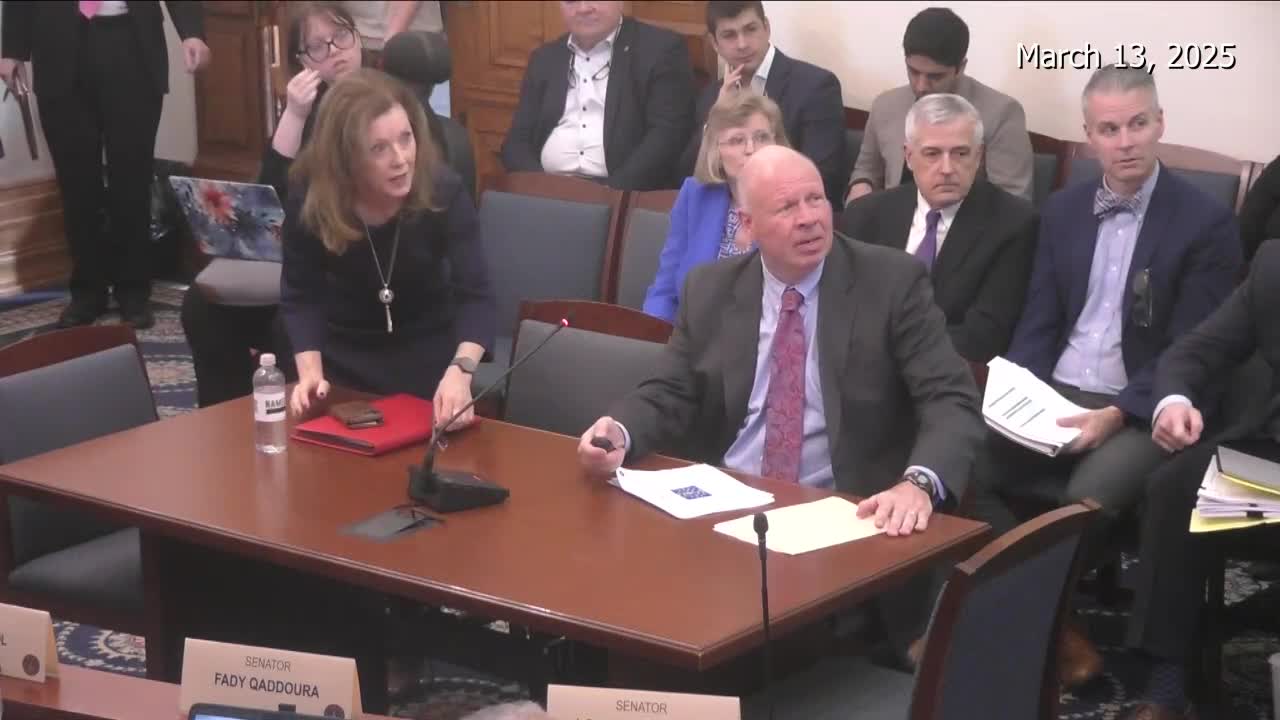
Dan Hughey of the Indiana Finance Authority told the State Budget Committee the state’s debt is well managed with top ratings, but that appropriation‑backed public university debt and the tax status of private‑activity bonds require close monitoring.
The Indiana Finance Authority (IFA) presented its biennial briefing on the state’s debt profile and oversight functions, highlighting long‑term ratings and raising caution about certain appropriation‑backed liabilities.
Dan Hughey, speaking for IFA, told the committee the authority continues to be the state’s primary issuer for multiple portfolios and has helped consolidate borrowing functions formerly scattered across several issuers. Hughey said the consolidation and oversight role gives the state a single voice with ratings agencies and underwriters.
Why it matters: The IFA oversees multiple pieces of appropriation‑backed debt the state supports directly or indirectly, including transportation finance authority bonds, state office building financing, motor speedway financing, and public university ‘‘fee‑replacement’’ debt. Hughey cautioned members about rising costs and the potential effect of federal policy changes on private activity bonds.
Key points - Credit standing and scale: IFA noted Indiana has maintained a AAA or similar top‑tier rating from rating agencies and that the state’s net tax‑supported debt per capita remains modest compared with heavier borrowing states. - Transportation debt: Hughey said transportation appropriation bonds were issued in earlier periods and that NDOT’s transportation portfolio has declined to roughly $315 million outstanding as of January, with debt scheduled to retire in 2029. The IFA emphasized preservation of debt service and prioritized preservation over capacity in capital programs. - Public university fee‑replacement debt: IFA reported fee‑replacement debt for public universities exceeds $1 billion and said that future authorization of new campus projects will likely increase appropriation exposure. Hughey told the committee he is monitoring university requests and reviews all proposed new issuances before they go to the budget director or committee. - Private activity bonds and tax treatment: Hughey warned that private activity bonds — used for infrastructure and housing projects — could face changes in Washington, D.C., that would affect their tax‑exempt status and change pricing for projects that rely on that treatment. He recommended tracking proposed federal changes closely and examining potential impacts on the state’s portfolio.
Context and next steps: IFA said it will continue to review project authorizations for public borrowers, monitor the university portfolio, and provide updates to the budget committee if proposed federal tax changes threaten the structure of private‑activity financing. The authority also signaled readiness to model additional appropriation‑backed issuance and reported an outside study showing Indiana has room to add several billion dollars of appropriation‑backed debt before risking credit pressure.
Ending: The IFA briefing emphasized the authority’s oversight role and urged the committee to keep long‑term debt capacity and federal policy changes in mind when evaluating future capital project authorizations.