Get Full Government Meeting Transcripts, Videos, & Alerts Forever!
Get email alerts on the Budget Referendum topic
No spam. Unsubscribe anytime.
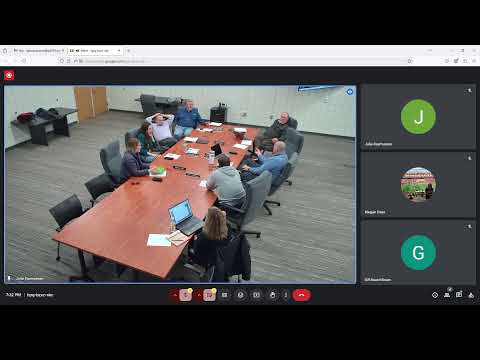
Grand Rapids board hears bleak fiscal outlook, discusses November referendum option and outreach
Summary
District finance staff presented multi-year projections showing revenue pressures from declining enrollment and limited local taxing capacity. Board discussed outreach, lessons from a failed 2023 referendum, and agreed to explore consultant help and community engagement if the board wishes to consider a November operating referendum.
District finance staff presented a multi-year fiscal outlook showing persistent budget pressure driven by declining enrollment, constrained local revenue and rising salary and benefits costs.
The briefing highlighted that much of the district’s revenue is tied to enrollment while the largest expenses—salaries and benefits—rise automatically each year. Staff noted the state’s general‑education formula is the primary revenue stream that carries an inflationary adjustment and that other revenue sources do not rise on the same automatic basis.
Key figures and context discussed: staff said the district brings in less local property tax revenue per pupil than the state average and cited figures from recent state profile reports showing the district received about $1,300 less per pupil in local property tax revenue and spent about $1,800 less per pupil than the state average in the most recent reporting year. Staff also summarized recent reductions: roughly $10 million in cumulative reductions and reduction of more than 80 positions in prior years.
Referendum history and next steps: the board reviewed a failed 2023 operating referendum that lost about 3 to 1. Staff recapped takeaways from that campaign—timing, ballot language complexity, low turnout among key demographics and the spread of misinformation—and said that any future referendum would require extensive, careful community engagement and a clear, simple message. The board discussed November as the only date when a ballot referendum can be held in the district without having to use a mailed ballot process and heard that planning and community listening would need to start well in advance if the board wanted to be positioned to vote on a referendum in the summer and appear on a November ballot.
Pension and staffing dynamics: board members and staff discussed long-term structural issues including retirement dynamics and substitute staffing. Staff said the district’s long-term wage and benefit commitments, combined with fewer new hires to offset retirements, make it harder for districts to realize cost savings from turnover as they once did.
Options presented: staff outlined four broad levers to balance the budget—grow enrollment (including online program discussed earlier), increase state revenue (advocacy), increase local revenue (referendum) and reduce expenditures. Board members suggested a mix of approaches and emphasized community outreach, transparent messaging and careful timing. Several board members said they are open to pursuing exploratory work with a consultant to develop engagement and messaging and asked staff to make initial contacts.
Consultant outreach and next steps: board members agreed to authorize staff to speak with a consultant to scope a possible community engagement process and timeline. Staff said if the board decides to proceed with a referendum in November, the district must begin listening and engagement work immediately to have a viable plan, but no formal decision to run a referendum was made at this meeting.
Ending: The board directed staff to gather additional comparative data on districts that have operational referendums, provide clearer, simple materials for community use, and reach out to potential consultants to scope engagement work. No referendum authorization was voted at this meeting.