Get Full Government Meeting Transcripts, Videos, & Alerts Forever!
Get email alerts on the Civil Rights And Equity topic
No spam. Unsubscribe anytime.
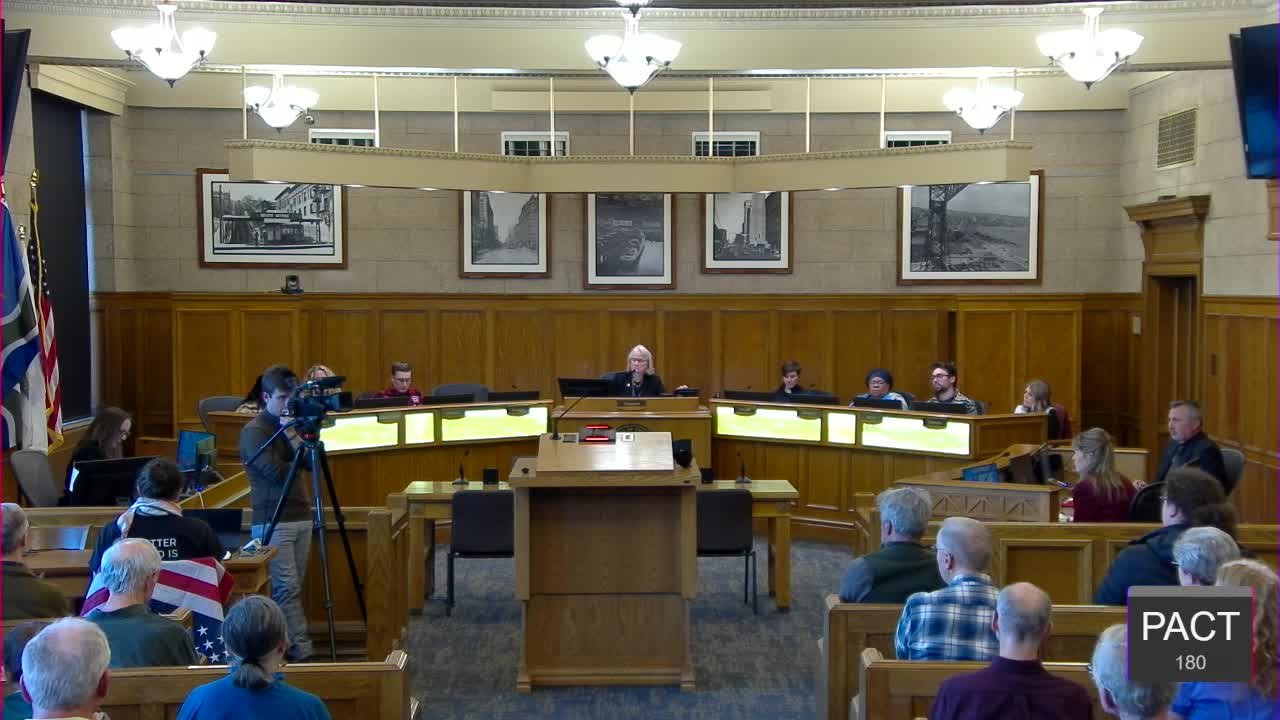
Group interview held for Duluth Human Rights Commission openings; applicants stress outreach and lived‑experience representation
Summary
The personnel committee conducted group interviews for multiple applicants to the Human Rights Commission. Candidates emphasized community outreach, cultural representation and bringing lived‑experience perspectives to the commission’s work advising the council on discrimination and diversity issues.
The Duluth personnel committee held a group interview on Monday for applicants to fill several vacancies on the Human Rights Commission. The commission advises the council on human rights matters, promotes cultural diversity and advances enforcement of the Minnesota Human Rights Act locally.
Councilor Azreen Al, chairing the personnel meeting, invited three applicants to speak: Marcus Hedges, Amanda Shy and Luis Angel Navarro Islas. Each described community engagement experience and reasons for wanting to serve.
Luis Angel Navarro Islas, who said he grew up in a Latinx family and works on civil‑liberties issues, told the committee he brings experience working with Latino communities and has organized anti‑racism and anti‑colonialism trainings. “I wanted to get involved with this commission to do that,” he said, citing prior work with affiliates of civil‑liberties organizations and community liaison roles.
Amanda Shy, who said she uses she/they pronouns and moved to Duluth recently, described experience in victim advocacy, campus prevention work and communications. She said she would like to use outreach and communications skills to make the commission’s work more visible and to ensure the commission is a trusted resource for residents.
Marcus Hedges, a Duluth native who has worked in community organizing and nonprofit settings, said he wants the commission to create safe, practical pathways for residents to seek help and, when needed, file complaints. Hedges noted the importance of making formal processes less intimidating for people who have experienced discrimination.
The chair provided logistical details for commission service: three‑year terms, monthly meetings on the second Sunday at 5:30 p.m. in City Hall (Room 430), and an expectation the commission reflect a broad cross‑section of the community. Two additional applicants were not present and will submit written questionnaires that will be posted publicly.
Next steps: the personnel committee will recommend candidates to the mayor and ultimately the council for confirmation under the normal appointment process.