Get Full Government Meeting Transcripts, Videos, & Alerts Forever!
Get email alerts on the Lea Reporting topic
No spam. Unsubscribe anytime.
House approves bill requiring LEAs to report financial and operational impacts of proposed legislative policies
Summary
HB 395 tasks local education agencies with reporting the fiscal and operational impacts of legislative proposals to improve lawmakers' understanding of unfunded mandates; debate focused on legislative prerogative versus transparency.
SALT LAKE CITY — The Utah House on March 3 passed HB 395, a bill that directs local education agencies (LEAs) and school boards to study and report the financial and operational impacts of implementing legislative policy proposals, with reports due to the education interim committee by Sept. 30.
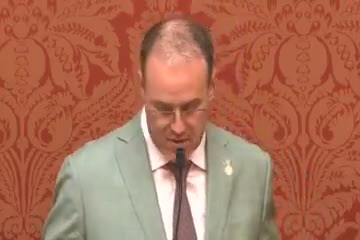
Representative Grant Welton, sponsor of the bill, said the measure is a one-time requirement designed to shed light on downstream costs to school districts and other political subdivisions from laws enacted by the Legislature. “This just allows us to have better decision making,” Welton said, describing the bill as a tool for lawmakers, not a delegation of legislative authority.
Representative Perucci raised concerns that mandating such reports could impinge on the legislature’s policy role and asked whether the bill would lead to pressure to “run fewer education bills” or to assign dollar amounts to every change outside the Weighted Pupil Unit. He expressed caution about shifting expectations for policymaking.
Welton replied that the bill preserves legislative authority and provides “sunshine” about potential unfunded costs, and that the final decisions about policy and funding remain with the education committee and the full Legislature.
After floor debate, HB 395 passed on a roll call, 41 yes to 31 no, and will be transmitted to the Senate.
Supporters described the bill as a transparency tool that would supply lawmakers with better data about the fiscal consequences of proposals; critics said the requirement could be used to stifle policy initiatives or could create an extra administrative burden for LEAs.