Get Full Government Meeting Transcripts, Videos, & Alerts Forever!
Get email alerts on the Land Use topic
No spam. Unsubscribe anytime.
Bill would curb ‘corporate town’ incorporations; House approves change to stop new filings after Feb. 15, 2025
Summary
Representative Koehler said municipal incorporation modifications in HB 54 aim to restore local control and prevent privately run ‘corporate towns.’ The House passed the bill 53–19 after debate about local impacts and grandfathering of existing signups.
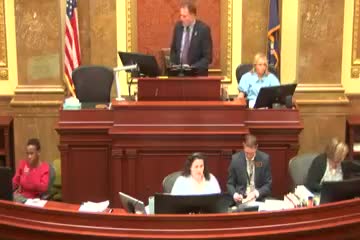
The Utah House passed first substitute House Bill 54 on March 3, a measure aiming to change rules established last year for forming new municipalities under a preliminary incorporation process.
Representative Koehler, speaking to the House, described the existing mechanism (from last year’s legislation) as enabling “corporate towns” — privately developed communities that could construct infrastructure and adopt mayor‑and‑council governments largely independent of local county or municipal oversight. Koehler said developers could assemble property, build utilities and roads, assign a mayor and council (who may not be residents), and later either convert the development into a municipality or hand it over to the county once infrastructure obligations fell due.
Koehler told colleagues HB 54 inserts a Feb. 15, 2025 cutoff date that would prevent new incorporations under the current preliminary process; he said four entities had already signed up before that date and would be grandfathered. Koehler and supporters argued the bill reestablishes local oversight of subdivisions and municipal formation, while opponents warned the change could be disruptive for property rights and for developments currently underway.
Representative Shelley spoke in favor of the bill, saying decisions on incorporation belong with local elected officials. After extended floor discussion, the House approved the bill; the recorded vote was 53 yea and 19 nay. The bill will be transmitted to the Senate for consideration.
Representative Koehler said the bill does not seek to restrict property rights generally but to restore a balance that allows local governments to manage land use and infrastructure more consistently.
The House debate included detailed examples of local costs and incomplete infrastructure from a previously formed entity; supporters said the change would prevent unmanaged subdivisions and protect small counties and municipalities from unexpected burdens.