Get Full Government Meeting Transcripts, Videos, & Alerts Forever!
Get email alerts on the Special Education Staffing topic
No spam. Unsubscribe anytime.
CCIU audit finds rising special-education caseloads at Kennett; recommends added administrative and clerical support
Summary
A Chester County Intermediate Unit staffing audit found Kennett Consolidated School District's special-education enrollment has grown and recommended adding an administrative position, more clerical support and teachers on assignment to improve compliance, retention and program capacity.
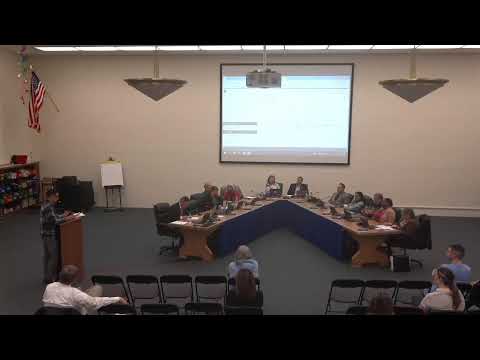
A Chester County Intermediate Unit (CCIU) staffing audit presented to the Kennett Consolidated School District board on March 10 found the district’s special-education caseload has increased substantially and recommended additional administrative and clerical capacity and teaching supports.
The audit, requested by Superintendent Doctor Rizzo Saunders and presented by Sam Ewing, director of student services at the CCIU, reported the district’s special-education enrollment had risen to about 708 students at the time of the review and recommended adding an administrative position, additional clerical staff and teachers on assignment. "If those additional supports are added, you would see improved retention across the district, strength in compliance, and reduced legal risks," Ewing said.
The CCIU team said the audit — completed at no cost to the district — combined focus-group interviews, administrative and clerical staff interviews, and district data. The report noted rising needs across several demographic categories: migrant enrollment increased from 138 to 213 students; homeless student counts rose from 195 to 245; English-language learners increased from 573 to 647; and preschool-to-school transfers into special education rose (59 transfers in the year cited). The presenters told the board these demographic shifts, together with more students with complex needs and ongoing staff turnover, have increased the workload on existing special-education administrators and case teams.
Board members emphasized the operational and moral importance of responding. Board member Ethan Kramer called the report "hopeful," saying it shows progress while underlining the need to invest in services for students with disabilities. Board member Latoya Myers asked for clear timelines and evaluation plans if the board approves staffing additions; Ewing said a meaningful timeline depends in part on keeping personnel stable long enough to implement and evaluate program changes, suggesting a one-year baseline period to assess impact.
The CCIU recommended three primary actions: add an additional administrative supervisor to reduce caseload ratios; add dedicated clerical support to relieve administrators of high-volume document and compliance tasks; and establish teachers on assignment or similar roles to support program implementation and classroom practice. Presenters and board members discussed alternatives and cautioned against assuming a single model is the only solution; nevertheless, several board members signaled willingness to consider targeted investments during upcoming budget deliberations.
Superintendent Rizzo Saunders and board members said the report will be used as a starting point for planning. No formal hiring actions were taken at the meeting; the CCIU presentation was a report for the board’s consideration and required no vote. Board discussion stressed the need for follow-up detail: specific job descriptions, costs, a timeline for implementation, and measurable outcomes to be returned to the board during budget work this spring.
The audit and supporting materials were attached to the March 10 meeting agenda in BoardDocs. Board members said they view the recommendations as a multi-year effort that will be considered alongside capital and operating budgeting, and as necessary for compliance, reduced legal exposure and improved services to students.