Get Full Government Meeting Transcripts, Videos, & Alerts Forever!
Get email alerts on the Culture And Tourism topic
No spam. Unsubscribe anytime.
Arts, Museums and Tourism Groups Urge Lawmakers to Direct Meals Tax Revenue to Cultural Fund
Summary
Arts organizations, museums and tourism advocates urged the committee to support HB 7,176, which would allocate a portion of the meals and beverage tax to the Connecticut Cultural Fund and tourism marketing. Witnesses said a dedicated, stable revenue stream would help museums, theaters and local businesses recover, expand programming and boost
A broad coalition of arts, museum and tourism leaders urged the Finance, Revenue and Bonding Committee on March 14 to allocate a share of meals and beverage tax revenue to the Connecticut Cultural Fund and tourism marketing under HB 7,176.
Why it matters: Speakers — representing regional arts councils, theaters, museums and tourism groups — said a stable funding stream would let cultural organizations plan, boost cultural tourism and help local businesses that rely on event‑driven customers. Multiple witnesses cited economic studies showing large returns: every dollar invested in arts and culture generates multiple dollars for local economies.
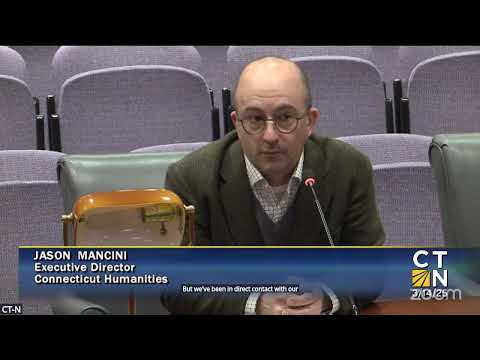
Who testified: Witnesses for the bill included Hope Chavez (Arts Council of Greater New Haven), Peter Gistelink (Avon Theatre), Morgan Fippenger (Carousel Museum), Frank Stilwegner (Goodspeed Musicals), Jeffrey Mayneville (Noah Webster House), Wendy Vincent (Cultural Coalition of Eastern CT), Jason Mancini (Connecticut Humanities) and others. They described local revenue, education programming, job creation and the role of museums and performing arts in sustaining downtown foot traffic.
Key arguments: Testimony stressed that Connecticut ranks low in per‑capita public investment in the arts among New England states. Advocates argued that directing a share of the meals tax would (a) stabilize arts grants, (b) support tourism marketing, (c) fund workforce and infrastructure in hospitality, and (d) generate economic ripples through restaurants, hotels and retail.
Questions and concerns: Municipal representatives and the Connecticut Conference of Municipalities asked about returning funds to cities and towns and about potential impacts on local budgets; CCM opposed an unfunded municipal mandate to raise the machinery exemption in the farm bill (a separate item). Several speakers described measurable local impacts — e.g., the Avon Theatre estimated $1,200,000 in local spending linked to its audience; the Carousel Museum described a $7 return per dollar invested.
Ending: Advocates asked the committee to adopt HB 7,176 or a variant that dedicates meals tax revenue to cultural and tourism funds, and offered to work with lawmakers on formula details and municipal distribution rules.