Get Full Government Meeting Transcripts, Videos, & Alerts Forever!
Get email alerts on the Emergency Medical Services topic
No spam. Unsubscribe anytime.
Committee backs bill allowing EMS to transport patients to mental‑health centers, requires reimbursement agreements
Summary
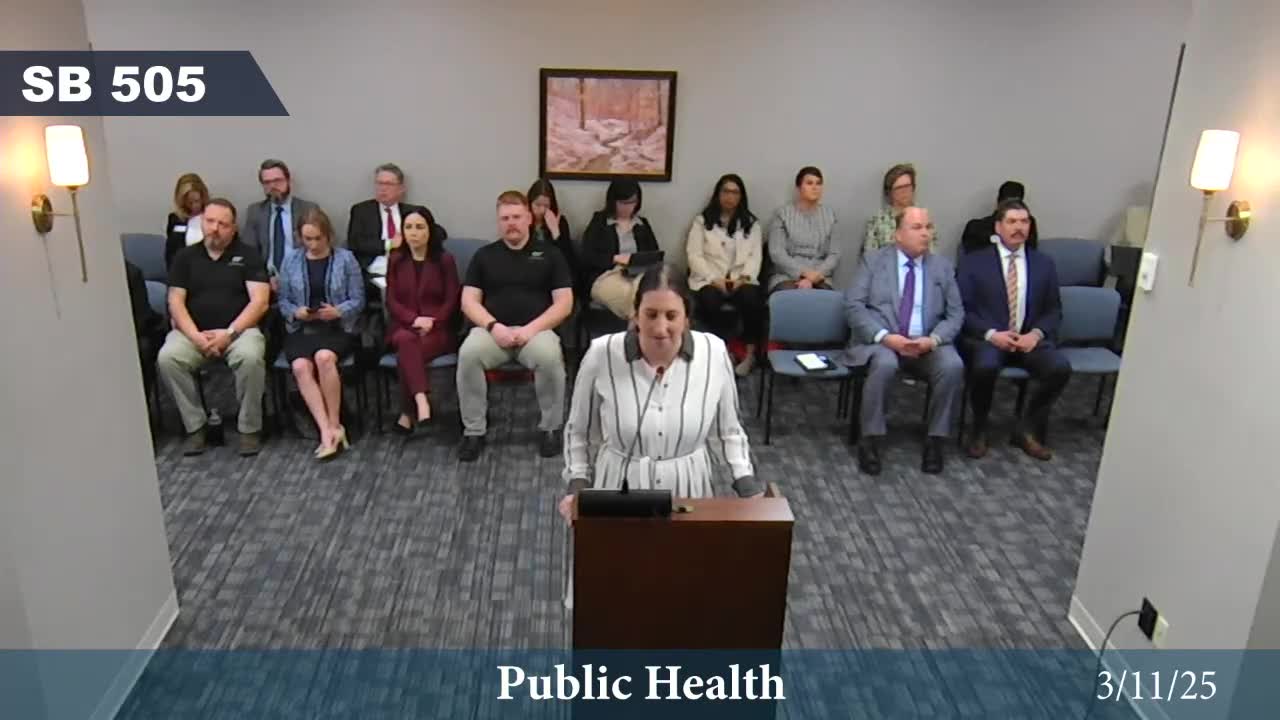
Senate Bill 505 passed the House Committee on Public Health after an amendment requiring reimbursement; the bill allows emergency medical responders to transport patients to mental‑health facilities or urgent care when protocols and written agreements are in place.
The House Committee on Public Health voted to approve Senate Bill 505 on Oct. 27, a bill that enables emergency medical responders to transport patients to mental‑health facilities or urgent‑care centers that can provide necessary treatment when written protocols and agreements exist. The committee adopted an amendment changing a permissive reimbursement provision to a mandatory one.
Sen. Deary, the bill’s sponsor, described the legislation as a practical alternative to default transfers to hospital emergency departments. “The language simply says that emergency medical responders may transport patients to more than just the ED — they may also transport them to a mental health facility or an urgent care that can provide appropriate necessary treatment,” he said, emphasizing the need for local written agreements outlining protocols, hours and admission criteria.
Supporters included the Indiana EMS Association and county and fire chiefs. Brian Burdick, counsel for the Indiana EMS Association, said the change would let EMS take patients to appropriate treatment sites rather than charging them higher ER bills and creating longer waits. Tony Murray of the Professional Firefighters of Indiana, who has years of EMS experience, told the committee his Mobile Integrated Health work identified suitable treatment partners and said the bill would expand options for field triage.
The committee approved Amendment No. 4, which changes the text to require reimbursement where written local agreements exist. Supporters argued the change aligns financial incentives to deliver care at the most suitable site.
Witnesses from community mental‑health centers and county commissioners said increased transport options would reduce emergency‑department boarding and provide timelier care. The chair called the roll and announced, “Yes. Bill passes 13.”
Committee members and witnesses noted the importance of local planning — written protocols would need to specify hours of operation, admission criteria and how to handle patients whose acuity changes — and they said the bill should be implemented through local agreements and medical direction.
SB 505 as amended moves forward with a requirement that reimbursement be available when written protocols and agreements are in place between transporters and receiving facilities.