Get Full Government Meeting Transcripts, Videos, & Alerts Forever!
Get email alerts on the Juvenile Justice topic
No spam. Unsubscribe anytime.
Committee votes to eliminate many juvenile court fees and shift costs; public defender raises workload concern
Summary
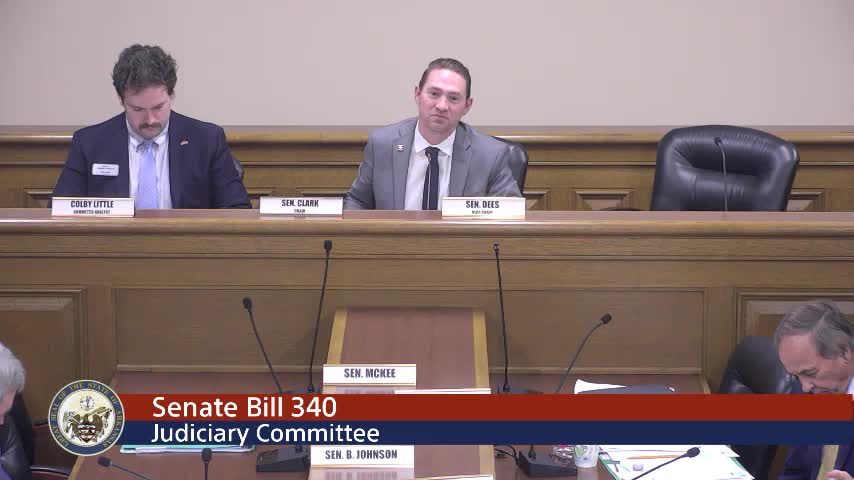
Senate Bill 340 would eliminate many fines and fees assessed in juvenile delinquency proceedings and transfer court‑service burdens away from families. Supporters urged the change as part of rehabilitation goals; the Public Defender Commission warned it could increase appointments and strain defender resources.
Sen. Allen Clark presented Senate Bill 340 to remove many fines and fees in juvenile delinquency cases and to stop passing modest courthouse costs to families and children. Kristen Harper of Arkansas Advocates for Children and Families described the policy rationale: fines and fees can keep juveniles and their families tethered to the system rather than supporting rehabilitation.
Greg Parrish of the Arkansas Public Defender Commission testified that the bill’s current draft could increase appointments of public defenders in juvenile cases because the bill eliminates the fee affidavit process that now requires a financial showing in some situations. Parrish warned that the commission already handles a heavy caseload and that broad appointment requirements would multiply workload and require additional resources.
Sponsor Clark asked for the committee’s support, saying the intent is to reduce the economic burden on low‑income families. The committee voted to pass SB 340 by voice vote.
Why it matters: Removing fees for juveniles aligns with national trends to limit court‑imposed monetary penalties that impede rehabilitation. The public defender commission flagged potential resourcing impacts for defender offices if appointments increase substantially.