Get Full Government Meeting Transcripts, Videos, & Alerts Forever!
Get email alerts on the Conservation Land Transfers topic
No spam. Unsubscribe anytime.
Committee hears testimony supporting narrow liability exemption for conservation land purchases
Summary
At a public hearing April 17 the Senate committee heard support for House Bill 22‑56A, a narrowly tailored bill that would protect sellers from damages when they sell unlawfully established lots to conservation buyers, provided the deed indicates conservation use. Supporters said the change would reduce transaction costs for land trusts.
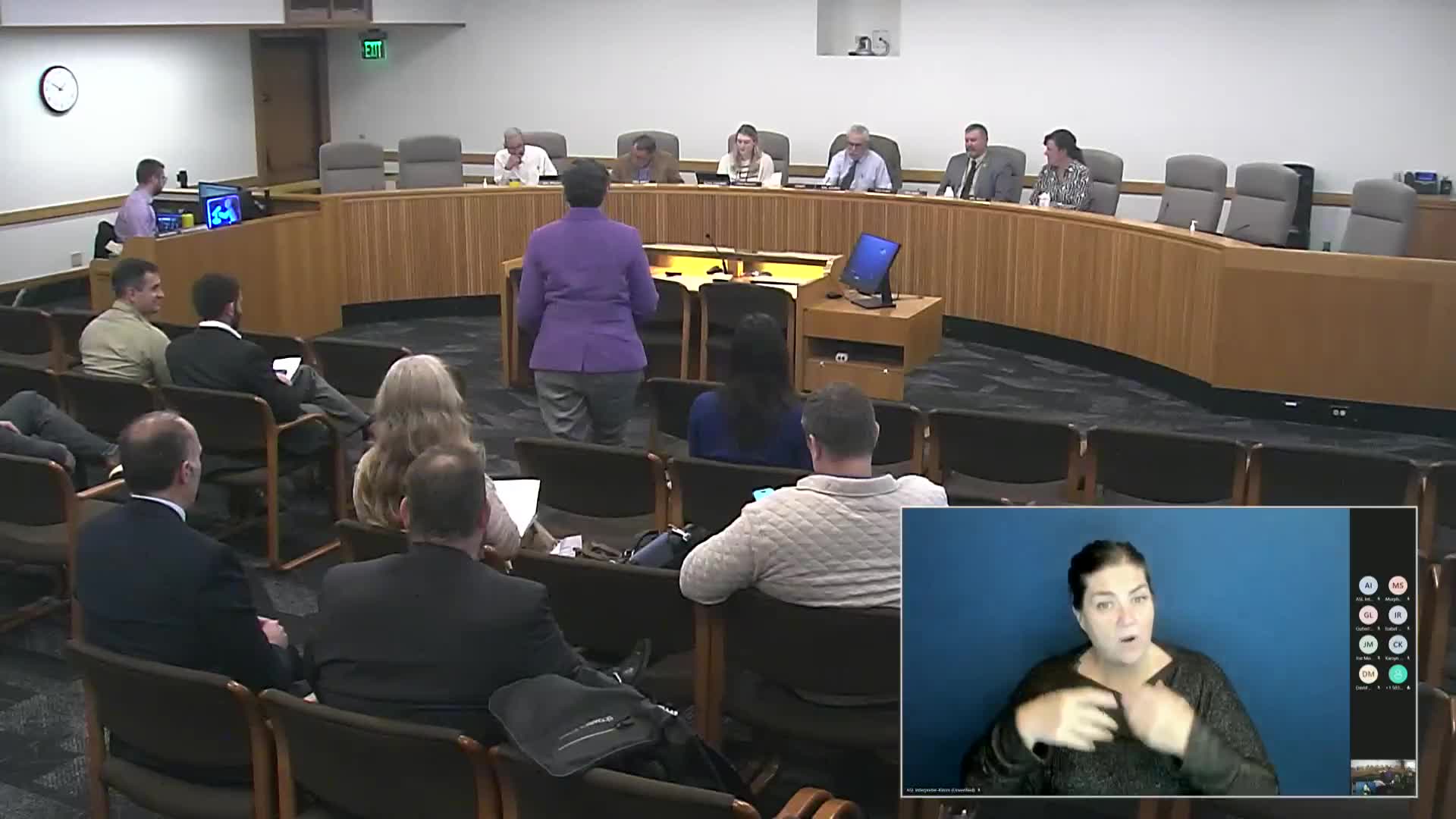
The Senate Committee on Natural Resources and Wildfire held a public hearing April 17 on House Bill 22‑56A, a bill supporters described as a narrow fix to remove a barrier to transferring land to conservation land trusts.
Representative Lisa Fragola, sponsor of the House measure, told the committee the bill would “remove barriers to the transfer of land to conservation land trusts.” She said many conservation trusts acquire land to enhance wildlife habitat, protect drinking‑water sources and provide undeveloped recreational open space. Fragola said legal‑lot verification requirements can substantially raise transaction costs and delay purchases until grants or funding sources expire.
Carson Kendrick, conservation director for the Coalition of Oregon Land Trusts, told the committee the measure “provides a narrow tweak to Oregon statute to reduce liability for conservation land transactions that are in the public interest.” He said the change would help land trusts acquire lands with complex ownership histories in a timely way.
Joe Moll, executive director of the Mackenzie River Trust, which helped draft the bill, described the high transaction costs and time required to resolve whether lots are “lawfully established” and said the bill would not create new legal lots; it would only exempt sellers from certain claims when the deed indicates conservation use.
Committee members asked for clarification about impacts to agricultural land. Moll and Fragola said the bill is focused mostly on riparian and river corridor conservation transactions and does not automatically remove agricultural uses; whether commercial production continues depends on the specific property and community objectives.
No opponents offered testimony during the hearing. After closing the public hearing the committee took no immediate vote on the bill during the April 17 meeting.
Speakers: Representative Lisa Fragola (House District 8), Carson Kendrick (Coalition of Oregon Land Trusts, conservation director), Joe Moll (executive director, Mackenzie River Trust).