Get Full Government Meeting Transcripts, Videos, & Alerts Forever!
Get email alerts on the Gifted And Talented topic
No spam. Unsubscribe anytime.
Ogden district reviews Advanced Learning Academy funding, enrollment and testing while rebuilding program at Liberty
Summary
District staff updated the board on the Advanced Learning Academy at Liberty Elementary, reporting a $63,938.16 state allocation, a direct-spend amount of $54,503.59, growth from a low of 93 students to about 127–128, use of Cogat for additional screening, and supports including teacher stipends and mini‑grants.
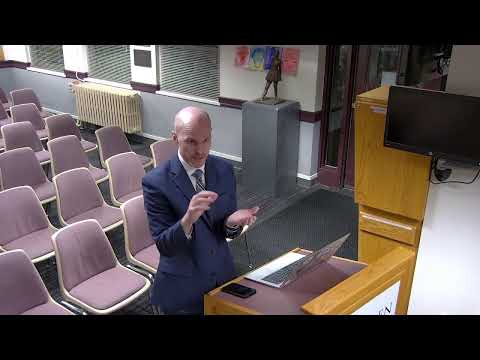
Adam McMickle, the district’s executive director of student achievement, told the board at its February meeting that the Advanced Learning Academy (ALA) at Liberty Elementary is rebuilding after a move and now has about 127–128 students enrolled.
The program’s current state allocation for the district is $63,938.16, McMickle said, with direct program spending listed at $54,503.59 and the remainder covering indirect costs.
The money supports stipends for ALA teachers and the ALA coordinator, reimbursements for gifted‑and‑talented endorsements, a mini‑grant program of up to $1,000 per teacher, a choir director for program activities, and limited marketing. McMickle told the board that teacher stipends are set at 2% of Level D and that he would provide a detailed accounting of stipend amounts and associated duties.
Why it matters: the ALA program is a long‑running district magnet for academically advanced students and is intended to feed advanced pathways in middle and high school. Board members asked about enrollment, equity of access, and the program’s instructional rigour as district staff presented assessment and enrollment data.
Key details and board questions
- Enrollment: McMickle presented a four‑year enrollment trend showing a dip when the program moved from Taylor Canyon to Liberty and subsequent recovery from a low of 93 to 128; he said a first‑grader’s family then moved out of state and the count stood at 127. He described ALA as a single‑section program and said typical capacity before discussions about adding sections would be near 28 students per class; average class size was about 22, so some grades had room to grow.
- Screening and selection: the district uses state and district assessments plus an additional cognitive measure, the CogAT, for ALA screening. McMickle said the district moved to the CogAT two years ago following recommendations from the Utah State Board of Education’s gifted and talented specialists; he described CogAT as providing faster, digital results that add a cognitive indicator to selection decisions.
- Academic results: McMickle showed RISE (state) proficiency results for ALA students and said ALA cohorts have high proficiency rates. For long‑term tracking, he reported that the cohort that began in ALA in 2017–19 reached 100 percent of students meeting the ACT composite benchmark of 18 in 11th grade in recent years. He emphasized the district’s interest in how ALA students fare in later secondary pathway choices (AP, IB, CTE, concurrent enrollment).
- Access and outreach: the presentation noted marketing efforts (flyers in English and Spanish, social media, and direct mail) and acknowledged transportation was a recurring barrier for families who live elsewhere in the district. The district said it can administer testing on demand at other schools to reduce that barrier.
- Program requirements and professional learning: McMickle said ALA teachers are expected to hold a gifted and talented endorsement; the district reimburses course costs and supports ongoing professional development, including conference attendance. The district also funds mini‑grants to support curricular enhancements inside ALA classrooms.
Board members asked for more disaggregated parent‑input data specific to ALA families and requested continued reporting on comparative outcomes after students leave ALA. McMickle recommended a separate board work session to discuss the long‑term structure, placement, and value‑for‑investment of having a central magnet program versus distributing gifted services across schools.
Ending
District staff said they will return with a more detailed stipend accounting and follow‑up enrollment and outcome data. Several board members signaled interest in a future work session to evaluate the program’s placement, equity of access, and role in the district’s advanced‑pathway strategy.