Get Full Government Meeting Transcripts, Videos, & Alerts Forever!
Get email alerts on the Single Dental Administrator topic
No spam. Unsubscribe anytime.
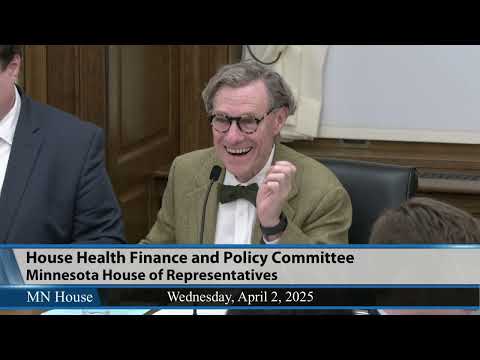
Committee adopts amendment to delay single dental administrator; bill laid over for omnibus
Summary
Representative Reyer introduced House File 1934 to push back the implementation date for a single dental administrator from Jan. 1, 2026, to Jan. 1, 2028, and the House Health Committee adopted an amendment to delay the transition and laid the bill over for possible inclusion in an omnibus bill.
Representative Reyer introduced House File 1934, which would move the effective date for adopting a single dental administrator under Minnesota Health Care programs from Jan. 1, 2026, to Jan. 1, 2028, and require a stakeholder work group to craft implementation recommendations.
The change is intended to “protect the stability of the dental safety-net system and help avoid a breakdown in access to care for Medicaid and MinnesotaCare members,” Representative Reyer said. The committee adopted a DE amendment delaying implementation, and the chair laid the bill over as amended for possible inclusion in an omnibus bill.
Why it matters: Testimony and committee discussion focused on potential disruptions to critical access dental providers if the single-administrator transition proceeds under the current timeline. Witnesses warned that an accelerated transition could cut reimbursements, eliminate grant funding that supports mobile and hub-and-spoke delivery models, and reduce care coordination that helps keep patients out of emergency rooms.
Dr. Michael Helgeson, CEO of Apple Tree Dental and treasurer of the Association of Critical Access Dental Providers of Minnesota, told the committee that “there are roughly 300 critical access dental providers across Minnesota, and they deliver more than two-thirds of all the dental visits for the 1,500,000 people that are enrolled in public programs.” He warned the committee that, without a delay, some providers could face reimbursement reductions “ranging up to 44%,” lose grants that support clinic updates and workforce recruitment, and see erosion of mobile clinics and care coordination that serve rural communities.
Dan Murphy of the Minnesota Dental Association said his members support the concept of a single administrator to reduce administrative burdens and improve transparency, but that concerns remain about reimbursement levels and administrative details. “Under current law, reimbursement under a single administrator defaults to fee-for-service rates — significantly lower than what many providers receive today,” Murphy said, adding that Minnesota’s dental reimbursement rates “are still based on costs from 1989.” He said the association supports a short delay while stakeholders address how reimbursement under a single administrator will be determined.
Representative Francie urged lawmakers to ensure rural and critical access clinics have “an equal voice” in the work group and recommended including a smaller, exclusively rural critical-access provider seat, requiring cost-benefit analysis of county-based purchasing, and building an ongoing stakeholder process that can advise the Legislature if Department of Human Services (DHS) recommendations differ from the work group's findings.
Representative Reyer described elements she expects the work group to consider, including a payment-rate structure that accounts for geographic differences and patient characteristics, designation criteria for critical access dental providers, infrastructure strategies, a more advanced measurement approach to assess system performance, coordination-of-care goals, and workforce strategies to strengthen the dental pipeline.
Formal action: The committee adopted the DE amendment (voice vote) delaying the effective date and directing further work. The chair then laid House File 1934, as amended, over for possible inclusion in an omnibus bill; no final committee vote on passage occurred.
What’s next: Committee members and testifiers said they expect continued stakeholder engagement in the coming weeks to set specific timelines for the working group, finalize measurement approaches, and refine reimbursement and implementation details. The bill remains laid over for potential inclusion in larger legislation.