Get Full Government Meeting Transcripts, Videos, & Alerts Forever!
Get email alerts on the Nightlife Zoning topic
No spam. Unsubscribe anytime.
Zoning variances approved for nightclub/dance‑hall uses at 234 and 236 N. Second St.; noise and neighborhood protections required
Summary
The commission approved after‑the‑fact variance requests to reestablish nightclub/dance‑hall uses at two adjacent properties on North Second Street, subject to required neighborhood outreach, soundproofing documentation and removal of a permanently anchored sidewalk fence at one site.
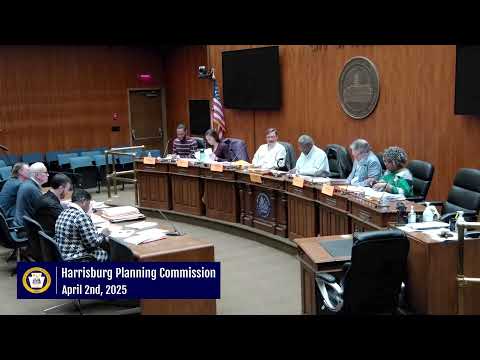
The Planning Commission voted to grant zoning relief for two adjacent downtown properties — 236 North Second Street and 234 North Second Street — allowing a nightclub or dance‑hall use to be reestablished at both addresses while imposing conditions intended to protect nearby residents.
Planning staff described both applications as after‑the‑fact requests to reestablish a nightclub/dance‑hall use. Staff said the properties had historically hosted live‑music and entertainment businesses but that accounting of amusement‑tax records indicated a lapse in paid amusement taxes at both sites between about 2014 and 2023, which the bureau treated as evidence the night‑use had been abandoned and therefore requires zoning relief to be reestablished. Staff recommended approval for both properties with conditions including (1) a community engagement session with residents within 500 feet prior to zoning hearing board review, and (2) documentation of planned soundproofing measures. For 234 North Second Street staff added a third condition: removal of a permanent fence enclosing an outdoor seating area that constricts sidewalk width.
Applicants and their counsel told the commission that they had already initiated much of the required work. Attorney Eric Hume represented the applicants; owner/operator Justin Browning and partner Craig Dunkel described outreach to neighbors and initial sound tests. Acoustical engineer Justin Hershey presented testing results, saying the team produced sound levels up to about 103 decibels inside the venue that were not transmitted to the neighboring building during tests, and outlined a package of absorptive treatments intended to cut energy transmission and limit band volumes. Hershey said the proposed interior and temporary exterior acoustic treatments and limits on band levels would substantially reduce sound transmission to adjacent properties.
Neighbors and downtown residents largely spoke in favor of the applications. Multiple neighbors — including Ed Jaroch and Frederick Hunzicker — said they support the applicant’s downtown investments and urged commission approval; some residents asked that the city reinstate patrols on Second Street and requested ongoing police cooperation. One neighbor noted prior years of disturbance on the corridor but said the current operator’s security practices and outreach had been satisfactory.
Commissioners discussed the planning bureau’s writeup and flagged two recurring issues: whether financial hardship or HARB comments were used in the applicants’ materials to justify relief, and how future applicants might reference precedent. Planning staff said the bureau had not used HARB as a justification for variances and agreed that economic hardship is a limited legal basis for relief. Commissioners requested that the commission’s approval make clear it was not accepting HARB or financial hardship as controlling grounds for variance approval.
Both variance requests were approved with the stated conditions. The approvals allow reestablishment of live‑music/nightclub uses at 236 and 234 North Second Street provided the applicants host neighborhood engagement sessions, submit soundproofing documentation before the zoning hearing board meeting, and (for 234) remove the permanent fence enclosing outdoor seating. Applicants said they have already started outreach and testing and will provide documentation to staff.