Get Full Government Meeting Transcripts, Videos, & Alerts Forever!
Get email alerts on the Collective Bargaining topic
No spam. Unsubscribe anytime.
Lewiston council hears hours of public comment on AFSCME technicians contract; decision set for Monday
Summary
The Lewiston City Council held a special meeting to discuss whether to direct staff to enter negotiations with the American Federation of State, County and Municipal Employees (AFSCME) technicians collective bargaining group (Local 1124).
The Lewiston City Council held a special meeting to discuss whether to direct staff to enter negotiations with the American Federation of State, County and Municipal Employees (AFSCME) technicians collective bargaining group (Local 1124). HR Director Nikki Provence told councilors the city recognizes about 72 positions under the AFSCME group, 70 of which are currently filled, and that roughly 30 employees were paying union dues as of the last payroll.
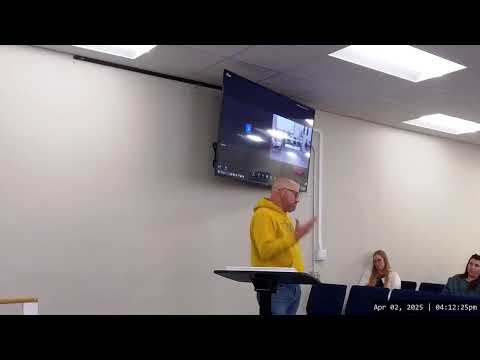
The discussion drew several union leaders and dozens of members to the public comment period. AFSCME Local president Ryan Bridal said the union provides “a continued good work environment” and argued collective bargaining supports recruitment and retention, while AFSCME Council 2 representative Laura Hansen told councilors a negotiated contract “creates a clear and agreed upon set of rules and expectations for both management and employees.” Several long‑tenured employees described safety pay, boot allowances and holiday/overtime provisions as protections that keep staff in Lewiston and ensure services are covered around the clock.
Why it matters: The contract applies to multiple public‑works roles — parks, streets, water and wastewater operators, custodians and related technicians — and contains wage, overtime and benefit provisions that differ from the city’s personnel policy. Those differences affect pay calculations (including how overtime is computed), certification pay and holiday/standby compensation, with potential implications for recruitment, retention and overtime costs.
Key details and debate
- Membership and scope: Provence summarized staffing and membership figures: “We have approximately 72 positions that are recognized under the AFSCME group. We have 70 filled right now. We have 30 dues paying members, as of, I think, last payroll.” Councilors pressed for broader figures; Provence said police and fire each have roughly 60‑plus members and nonrepresented staff number in the “30 some” range but did not provide a single definitive citywide headcount.
- Pay and benefit differences: Councilors and staff reviewed concrete distinctions between the AFSCME contract and the city personnel policy. Provence and others described certification pays (water/wastewater operators receive $0.50 per hour per certification, up to four; mechanics receive $0.50 up to two), an annual cost‑of‑living provision in the AFSCME contract stated as a minimum 1% and maximum 2.5%, and step increases between pay steps of about 3%.
- Overtime and hours worked: Councilors noted a major difference in overtime calculations. Provence explained that under the AFSCME agreement paid absences — vacation, sick leave, comp time, holiday pay and similar items — count toward the 40‑hour workweek used to determine overtime, whereas the city’s nonrepresented personnel policy counts only hours actually worked.
- Holiday and standby pay: The AFSCME contract includes higher holiday and standby pay in some circumstances; Provence characterized union holiday pay as “double and sometimes even triple overtime on top of their holiday pay,” depending on the circumstance. The union and multiple employees said such provisions compensate workers who respond to emergencies at night, on holidays or during storms.
- Snow and seasonal pay: A councilor questioned a seasonal winter pay provision (an additional $0.75 an hour for a set period). Provence said the set period was negotiated to reflect the city’s typical snow season and acknowledged that in light years the city could pay that benefit with little snow and vice versa.
Public comment and union perspective
Union leaders and members emphasized stability and worker safety. Ryan Bridal, identified as the technicians union president, said Idaho’s right‑to‑work status means members cannot be forced to join but that union membership “helps recruitment and retention” and leads to consistent standards across administrations. Laura Hansen, AFSCME Council 2 representative, asked the council to “support endorsing the technicians” and said a negotiated contract “benefits the productivity and collaborative relationship between the city and the bargaining unit employees.”
Longtime employees described operational realities behind the pay provisions: Pat Wilson, AFSCME vice president with 33 years in the street department, and others recounted being called out at night for emergencies, snow removal or to respond to water and sewer problems. Several speakers said the contract’s allowances and protections help ensure those tasks are covered and reduce liability for the city.
Questions and outstanding items
Councilors asked for additional detail on total city staffing and the financial effects of bargaining provisions; Laura Hansen said she could provide retention and recruitment statistics on request. Councilor concerns included whether citywide personnel policy updates could address some workers’ needs without separate bargaining for a single group, and whether benefit disparities across departments could affect recruitment in specific job categories.
Outcome and next steps
No formal motion or vote took place during the special meeting. The mayor and staff said the council will consider and vote on whether to direct staff to enter negotiations at the council’s next meeting on Monday; staff indicated they will give required notice by the coming Monday. If the council directs staff to negotiate, the AFSCME local and city negotiators would meet pursuant to the existing contract cycle and bargaining procedures.
Ending
Councilors said the testimony and turnout from union members and new hires provided useful context for deliberations. The council recessed to an executive session after closing public comment and indicated the item will return for a formal decision at the next regular council meeting.