Get Full Government Meeting Transcripts, Videos, & Alerts Forever!
Get email alerts on the Development Finance topic
No spam. Unsubscribe anytime.
Council debates whether PID bond proceeds should satisfy developer performance bonds; staff flags investor risk
Summary
City staff and the council discussed whether proceeds from Public Improvement Districts (PIDs) may be used to meet subdivision performance‑bond requirements. City attorneys cautioned that using PID proceeds could create investor risk and double‑bonding issues and recommended more legal/financial review.
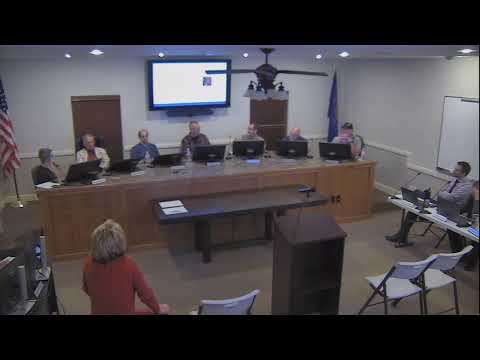
Toquerville City Council held an extended discussion about subdivision security requirements after staff raised a question about using PID (Public Improvement District) funds to satisfy the city’s performance‑bond requirements.
City staff explained the subdivision ordinance contemplates three accepted forms of security — cash bonds, irrevocable letters of credit, and escrow security agreements — and asked whether PID proceeds could be used in an escrow arrangement to satisfy the ordinance’s performance bond obligation. Staff recounted a hypothetical in which PID proceeds intended for later phases would be applied to satisfy the city’s performance bond for an earlier phase.
City attorneys and staff said that, while the escrow security vehicle exists in the ordinance, using PID proceeds in that way creates legal and practical risks for PID investors and the city. Staff noted that state law caps the performance bond requirement (the ordinance references a percentage) and explained that permitting developers to apply PID bond proceeds to the city’s guarantee could leave the PID investors exposed if construction costs rise or the developer defaults. “The question that came up then is is what is this escrow security agreement arrangement that's contemplated under the ordinance? And, we can't see how this would be used. So that's why we're turning to you guys to give us some input,” a staff attorney said. Staff said their preliminary answer was that using PID receipts to satisfy the city’s performance bond generally should not be allowed.
Council members and staff discussed mechanics: how funds are drawn down as improvements are built, the warranty holdback the city retains (typically 10%), and whether an escrow agreement can practically secure the city’s interests. Staff recommended additional legal and financing input, suggested bringing PID counsel to a future meeting, and warned against a short‑term double use of PID proceeds that could shift risk to future property owners within the PID. The council did not take formal action; staff said they would obtain additional legal and financial analysis and invite PID specialists back for a follow‑up discussion.
Why it matters: The outcome affects how developers fund improvements, how PIDs are structured and marketed to investors, and who bears risk if a subdivision cannot be completed as planned.
Next steps: Staff to obtain further analysis from PID financing specialists and return to council with a recommendation.