Get Full Government Meeting Transcripts, Videos, & Alerts Forever!
Get email alerts on the Wildlife Management Coyote Contests topic
No spam. Unsubscribe anytime.
Maine hearing draws hours of testimony on bill to ban coyote killing contests
Summary
The Legislature’s Inland Fisheries and Wildlife Committee heard extensive public testimony for and against LD 12 93, which would prohibit organized coyote killing contests that award prizes for the most animals taken.
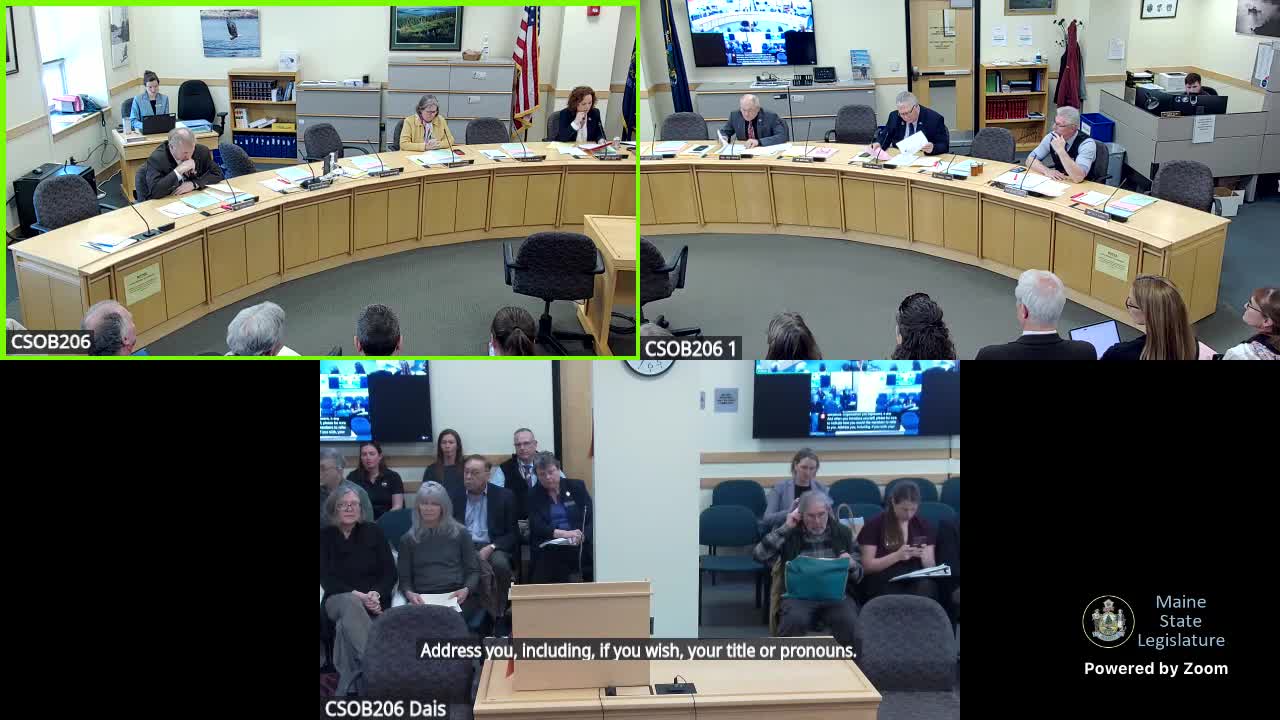
A public hearing before the Legislature’s Joint Standing Committee on Inland Fisheries and Wildlife drew hours of testimony for and against LD 12 93, a bill that would prohibit organized ‘‘coyote killing contests’’ in Maine.
Senator Penny Beebe-Center, who introduced the bill, told the committee the proposal targets two organized events in northern Maine and said the contests undermine hunting ethics. "This bill is just about banning the most egregious form of killing that is unusually cruel, pointless, and very unethical," she said.
The measure’s backers — animal-welfare groups, conservation scientists and a number of Maine residents — argued the contests are not grounded in sound wildlife management, alarm the public and risk harming federally protected wolves that may be mistaken for coyotes. Katie Hansberry, Maine state director for Humane World for Animals, cited research she said shows widespread scientific consensus that indiscriminate lethal control of coyotes does not reduce their abundance and can increase conflicts. "The best available science shows that indiscriminate killing of coyotes can increase their numbers and increase conflicts with livestock," Hansberry said.
Speakers in favor provided numbers and published findings in their remarks. Senator Beebe-Center and others said the two main events in Maine averaged about 278 coyotes taken per year and that the state’s coyote population is roughly 15,000, figures they used to note the contests account for a small share of total removals. Multiple witnesses cited national polling and statements from wildlife organizations opposed to killing contests and told lawmakers the contests risk public backlash against hunters generally.
Opponents — including hunting and guide organizations and local landowner groups — called the contests a legal, community-driven response to local deer declines. David Trahan of the Sportsman’s Alliance of Maine described local derbies as part of a larger, privately organized effort to protect deer wintering areas, and said the events are conducted in partnership with businesses and community groups. "These derbies are part of a larger biological sound strategy aimed at improving deer survival in a place where deer populations have been decimated," Trahan said.
Retired deer biologist Jerry Levine, who testified in opposition and described helping launch the contests, told the committee the events target specific wintering areas and are compatible with other predator-removal efforts in the region. Levine said the contests produce data and localized removals at much lower cost than agency programs.
The hearing drew many witnesses: veterinarians, wildlife advocates, retired state biologists, representatives of conservation organizations and multiple residents who described ecological, ethical and cultural dimensions of the issue. Several witnesses emphasized the bill is narrow in scope: proponents repeatedly said it would not prohibit ordinary hunting, trapping or legitimate targeted lethal control for depredation.
Committee members asked technical questions about the contests’ scale, the scientific evidence on coyotes’ effects on deer and whether federal protections for wolves affect enforcement. Speakers on both sides urged lawmakers to weigh biological evidence alongside community values.
The committee closed the public hearing on LD 12 93 and moved on to other agenda items. No final committee vote on LD 12 93 was recorded in the transcript of this meeting.