Get Full Government Meeting Transcripts, Videos, & Alerts Forever!
Get email alerts on the Federal Representation topic
No spam. Unsubscribe anytime.
Committee hears bill allowing governor to appoint temporary U.S. senator in vacancy
Summary
Senate Bill 952 would let Oregon governors appoint temporary U.S. senators until a special election is held; sponsors said the change aligns Oregon with most states and prevents long vacancies, while committee members sought data on how other states limit appointees’ eligibility to run.
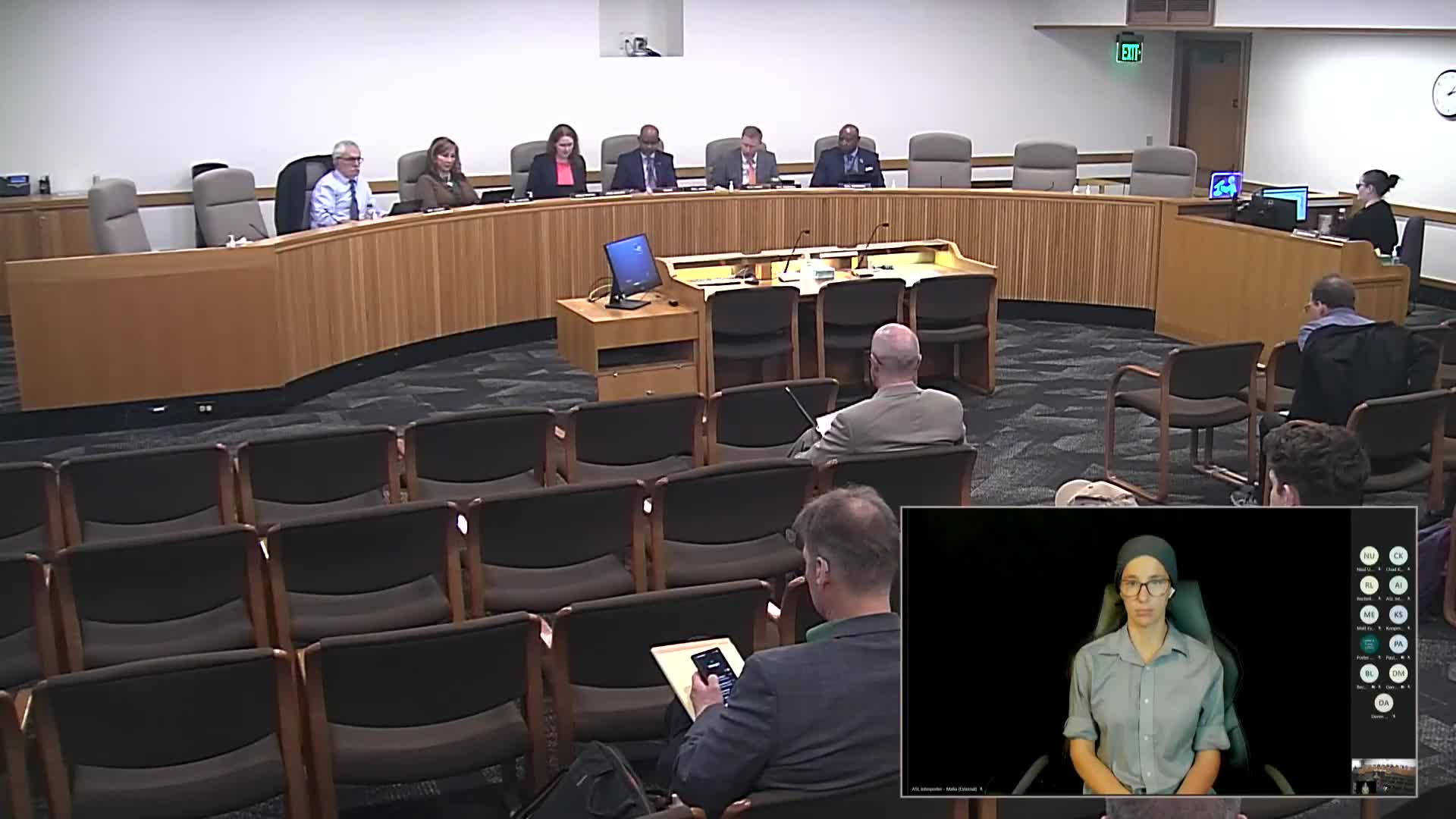
The Senate Rules Committee on Wednesday considered Senate Bill 952, which would allow the governor to temporarily appoint a U.S. senator to fill a vacancy until a special election can be held.
Senator Casey Chama (Senate District 24) told the committee the bill would require the governor to appoint a qualified person within 30 days and preserve a later special election so voters choose a permanent successor. “This prevents Oregon from being left without a voice in Washington,” Chama said, adding that the bill requires the appointee to be registered with the same political party as the departing senator.
Several legislators and witnesses urged safeguards. Senator Sarah Elser Bluhin (Senate District 8) said she supported the bill and a proposed amendment prohibiting a governor from appointing himself or herself to the vacancy. "That is really important to reinforce trust in the democratic process," she said.
Neil Brienne, policy and research director for the Institute for Responsive Government Action, a nonpartisan organization, testified in support and said Oregon is one of a small number of states that currently leave U.S. Senate seats vacant until special elections. He told the committee that the practical timeline for a special election, accounting for primary and general processes, would take at least four months, during which time Oregon would lack full representation.
Members asked for comparative data about other states’ rules, including how many states prohibit appointees from running in the special election. Committee staff said they would collect that information. Multiple senators and witnesses emphasized the bill aligns Oregon with the majority of states that permit interim appointments.
The public hearing closed after several witnesses; no committee vote occurred during this meeting.
The bill also has a -2 amendment that would prohibit a governor from appointing themself to the vacant seat; sponsors said additional technical amendments were likely.