Get Full Government Meeting Transcripts, Videos, & Alerts Forever!
Get email alerts on the Workforce Development Trades topic
No spam. Unsubscribe anytime.
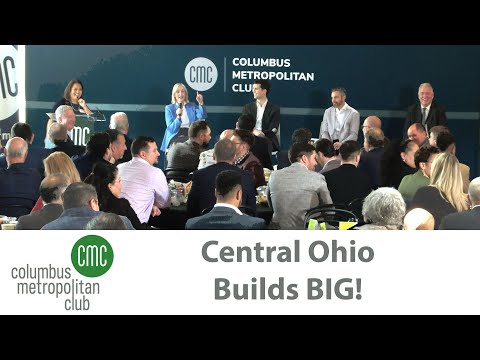
Panelists urge workforce training and diversity goals as Central Ohio construction booms
Summary
Panelists at the Columbus Metropolitan Club forum said construction and manufacturing growth in Central Ohio requires aggressive workforce recruitment, training and inclusion programs. Turner Construction, Columbus Airports and ODOT representatives described local training pipelines, prevailing-wage rules and small-disadvantaged business goals.
Speakers at a Columbus Metropolitan Club forum highlighted workforce development and inclusion as central to handling Central Ohio’s construction boom.
Matt (identified in the forum as vice president and Columbus general manager for Turner Construction) described local efforts to rebrand construction careers and to enroll new workers. "Years ago, we decided that you gotta change that stigma... once you start to do that, people realize this is a profession," he said, noting Turner’s workforce-development programs and the company’s long-running Turner School of Construction Management.
Joseph Nardoni said the airport terminal project includes prevailing-wage requirements and targets for minority- and disadvantaged-business participation. "We have a 25% diversity business partner goal. We're currently just short of 26%. We have established prevailing wage on all for everyone gets a prevailing wage," he said.
Pamela Bridal said ODOT works with community colleges and trade programs — citing partnerships with Columbus State, Stark State and Sinclair — and that the department pursues small-business and disadvantaged-business engagement on highway projects. She said ODOT includes civil-rights compliance such as Title VI in project oversight.
Panelists described specific outreach and training results: Turner’s workforce programs enrolled new trainees who then moved into construction careers; ODOT said a major corridor contractor conducted roughly 40 community outreach efforts and engaged 700 tradespeople to fill project roles. Speakers urged clearer communication between private employers and public agencies to align training with employer needs.
Ending: Panelists said recruiting younger workers, expanding career-technical pathways in schools and maintaining prevailing wages and small-business goals are central to sustaining the region’s construction and manufacturing growth.